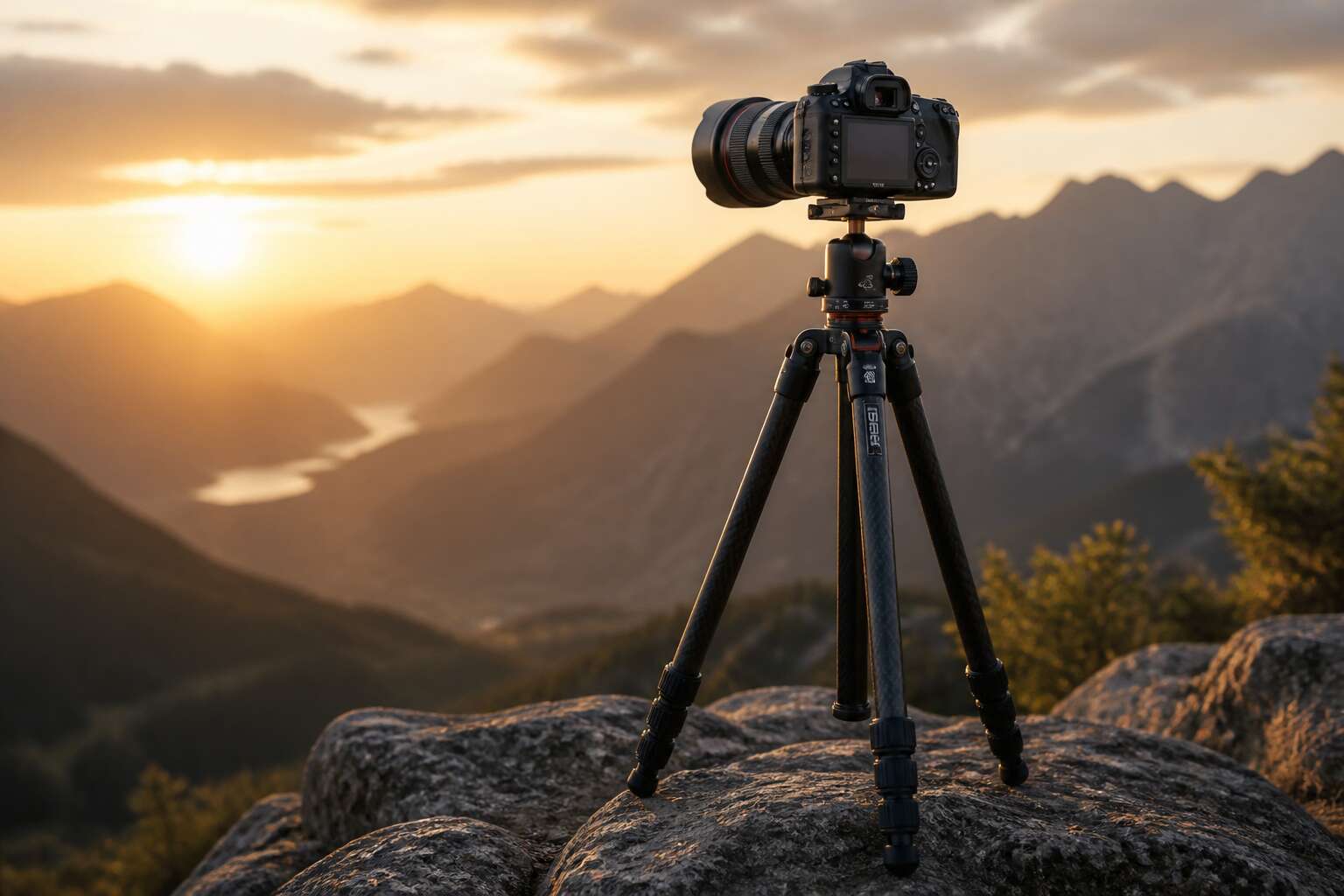
Understanding Your Needs
I once watched a photographer lose his breakfast over the Vredefort Dome because his flimsy legs gave way. A kudu bolted, the light shifted, and the image vanished. That moment of collapse taught me more than any spec sheet ever could. The question of which tripod is best starts with your feet on the ground, not your eyes on a screen. You must understand the terrain you walk and the weight you carry.
A tripod is a promise of stability. Yet many people buy one that folds up small and holds their phone, only to curse it in a strong Highveld wind. Consider the realities of your own shoots. Are you scrambling up Table Mountain before dawn? Are you waiting hours for a Cape winter storm to break? Your answer changes everything.
The real decision often breaks down into a few honest questions:
– What is the heaviest camera and lens combo you will actually mount?
– How far are you willing to walk with this thing on your back?
– Does your primary shooting happen indoors, or under an open Karoo sky?
These points matter more than the brand name etched on the leg locks. A lightweight carbon model saves your shoulders, but a heavier alloy set absorbs vibration on a rickety harbour boardwalk. The truth is that the perfect unit for a studio portraitist is a useless burden for a trail runner. To figure out which tripod is best, you must match the tool to your specific fatigue and workflow, not the other way around.
Materials and Build Quality
Ask any photographer in Cape Town, and they’ll tell you the same thing: lugging a flimsy tripod up Table Mountain is a mistake. The materials and build quality often decide which tripod is best for your specific terrain. A carbon fiber shaft resists salt air far better than bare aluminum, but you pay for that resilience.
Here’s what I inspect on every model:
- Leg locks, specifically how many twists to secure.
- Center column rigidity under load.
- Feet and spiked tips for loose gravel.
Plastic hinges break. Metal ones rust. You need a balance that matches where you shoot.
Tripod Head Selection
Most photographers obsess over legs and carbon fibre, but the real soul of your setup is the head. You could own the sturdiest set of sticks in Johannesburg, and it would still be useless with a wobbly, imprecise head attached. Determining which tripod is best for your specific needs often comes down to this single component, not the legs themselves.
Think of the head as the interface between your vision and the final image. It needs to be fluid, precise, and utterly reliable. A landscape shooter waiting for the perfect light needs a different mechanism than a wildlife photographer tracking a moving subject. Weighing up these options is where the decision gets interesting.
– Ball heads: Offer speed and simplicity, perfect for quick composition changes.
– Pan-tilt heads: Provide independent control on three axes for exact architectural or macro work.
– Geared heads: Give ultra-fine adjustments ideal for high-magnification photography.
Your choice should also be dictated by the weight of your gear. A mirrorless camera with a prime lens is a different beast entirely compared to a heavy telephoto lens. The payload rating isn’t a suggestion; it is the threshold where performance starts to degrade. If you are constantly fighting drift after locking the tension, then the entire unit is compromised, regardless of how great the tripod legs are. Ultimately, this is why the question of which tripod is best usually has an answer centred on the head. When you are up on a mountain pass in the Cape, fighting the wind, you will appreciate a solid head that locks down without shifting a millimetre.
Performance Metrics
A tripod’s real worth shows in its performance metrics! Most photographers overlook the torque rating. That number tells you how much twist a tripod can endure before the head slips. It matters when you attach a heavy telephoto lens or shoot in the Cape winds. Without solid metrics, a tripod is just a promise.
I always check three performance figures before deciding which tripod is best. Stability under load, damping time, and vibration resistance are the real indicators. A flimsy unit collapses at the slightest touch. A high quality one holds rock steady for minutes.
- Load capacity measured in kilograms
- Damping time after tapping a leg
- Maximum height without centre column
Each metric reveals a different strength. Compare them side by side. Then you know what you’re paying for.
Budget and Value
Budget shapes every choice in this pursuit. A cheap pod might cost R300, while a premium carbon fibre model can exceed R8000. The middle ground is where most photographers settle.
- Leg locks that stay firm after months of use
- A head that holds your camera without creeping
- Weight that does not punish your shoulders
Value means spending where it matters. I have watched a R1500 tripod with solid aluminium and a decent ball head outlast a flimsy R500 bargain. When you ask which tripod is best, the answer usually lies in how much you can stretch, not in the price tag alone.

0 Comments