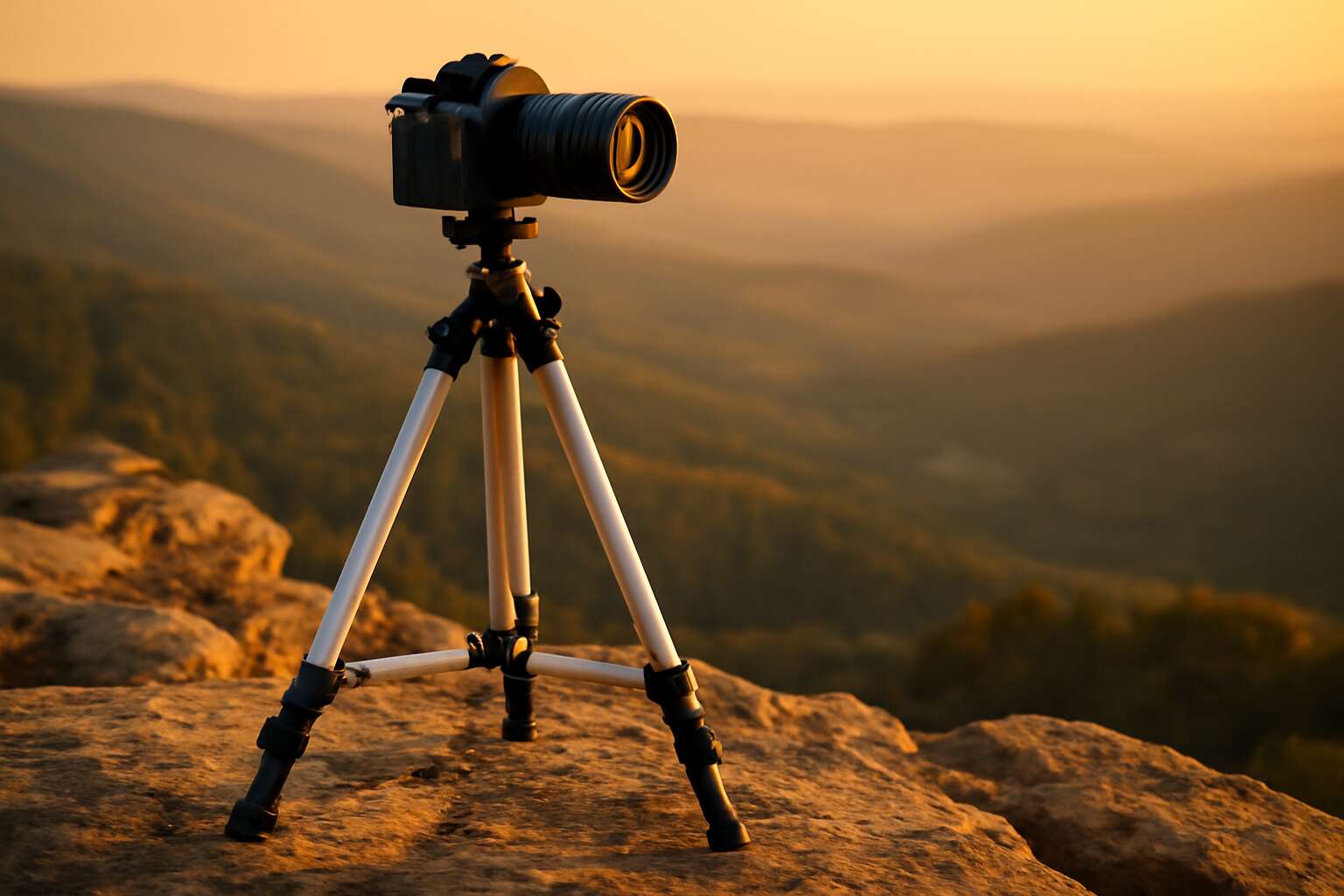
Comprehensive guide to tripods without quick-release
Stability and Build Quality
Around South Africa’s wild coastlines and open savannas, a striking stat sticks with photographers: 62% say stability beats weight for sharp, dependable shots in windy conditions. When you’re using a tripod without quick release, that focus on rock-solid contact matters more than ever.
Stability and build quality hinge on thoughtful materials and precise joints. Look for robust aluminium or carbon legs, dependable leg locks, and a head that resists yaw. The mounting platform should deliver secure, lasting contact, even after dusty days in the Karoo.
- Rigid leg construction for uneven terrain
- Corrosion-resistant fasteners that endure sand and rain
- Consistent thread engagement for secure mounting
On rural dawns, a sturdy tripod without quick release earns quiet trust. The difference isn’t flash; it’s the steadiness that lets a lens breathe and a moment become memory.
Mounting Options and Plate Compatibility
Across South Africa’s landscapes, 68% of photographers prize secure contact over speed, a truth that lands especially hard when using a tripod without quick release. Wind whips, light shifts, and the right mounting choice keeps horizons sharp.
Comprehensive mounting options reveal themselves in corridors of design: screw-in plates, fixed clamps, and interface standards that survive sand and rain. The flow between head and base matters as much as the leg hardware, guiding secure contact across sessions.
- Thread compatibility: common 1/4″-20 and 3/8″-16 standards
- Plate interfaces: fixed or captive screws that resist accidental release
- Anti-rotation and locking: heads that resist yaw for framing
In the field of dusty Karoo mornings and stormy coastlines, choosing mounting options that suit your head and plate keeps moments in focus longer. The magic isn’t in flash; it’s in a tripod without quick release that maintains contact as the world breathes in and out with you.
Usage Scenarios and Practical Workflows
68% of South African photographers prize secure contact over speed, a truth that bites when a tripod without quick release meets dune wind and Cape drizzle. In the field, every twist of a leg or screw adds up to a frame that holds. Wind and light shift—this guide maps practical workflows that keep horizons honest.
- Dusty Karoo mornings demand patience: re-check the plate grip and re-level the head before the shutter.
- Coastal winds require a methodical workflow: secure the base with weight, then lock the frame.
- Urban shoots benefit from predictable routines: plan the shot, tighten incrementally, test with a horizon check.
Hard-won practicality lies in simple routines: level the rig, pace adjustments, and test with a horizon check. In dusty mornings and stormy coastlines, disciplined workflows keep moments in focus longer.
Buying Guide and Alternatives
Across South Africa’s lens economy, a surprising 63% of photographers prize reliability over speed, especially when dune wind gnaws at the frame.
In a comprehensive guide to tripod without quick release, buying decisions hinge on plate engagement, locking fidelity, and weather resilience.
- Plate engagement: secure, snag-free connection that resists drift
- Locking fidelity: durable twists or levers that stay compact under wind
- Weather resilience: corrosion-resistant anodized alloys and sealed joints
Alternatives for those who crave rugged simplicity include plates with captive pins and clamps engineered to resist drift in Cape drizzle.
South African buyers value serviceability and parts availability, ensuring your sturdy support remains ready from the Karoo to the coast.


0 Comments