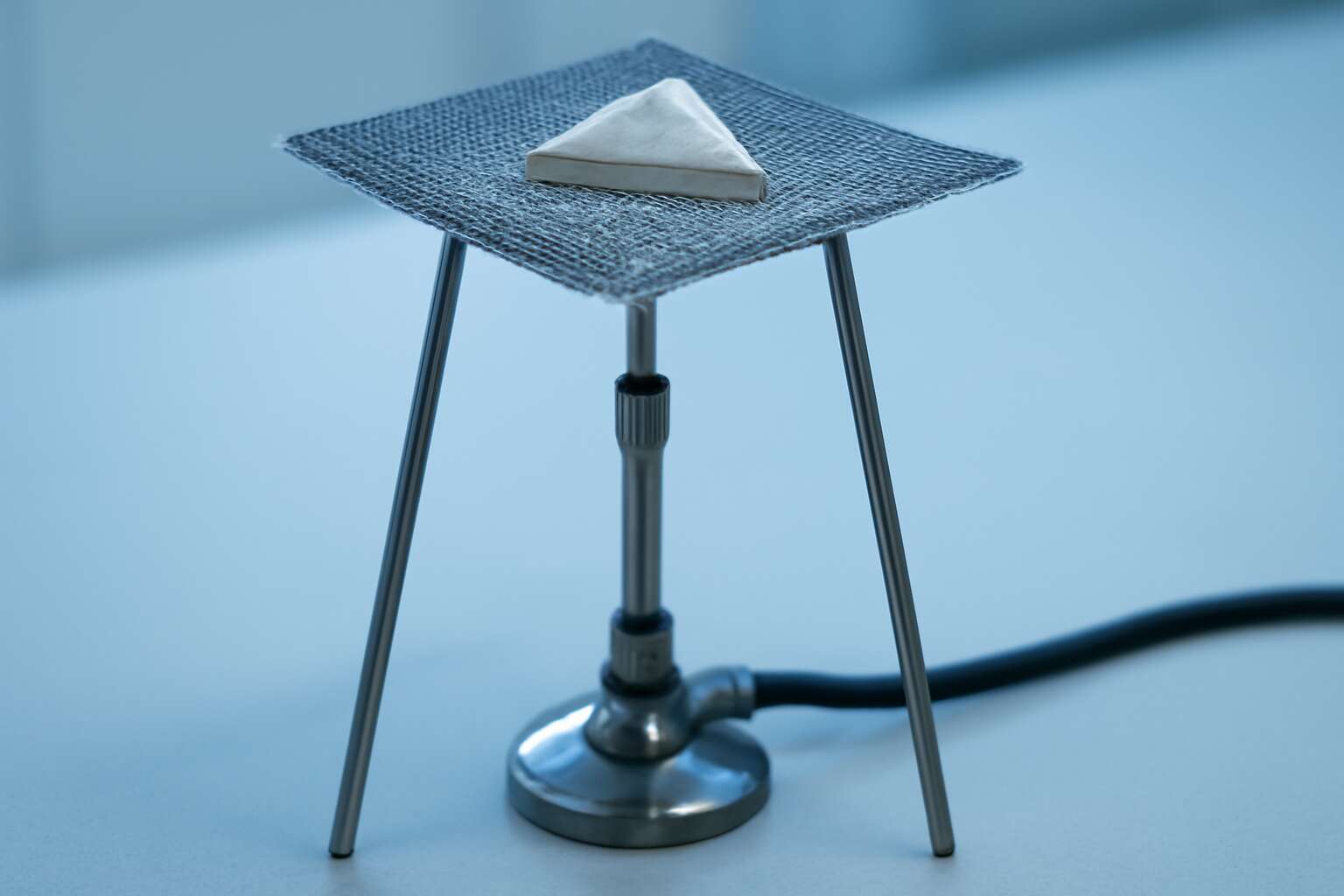
Foundations of lab tripods and stands
Foundations of lab tripods and stands are the quiet guarantors of accuracy. In fast-paced South African labs, studies report that up to 83% of initial measurement drift traces to an unstable mounting. A sturdy base lets the data sing and the operator exhale a little easier.
A tripod laboratory setup begins with the base: a broad, rigid footprint, a low center of gravity, and materials that resist salt spray and humidity—think electro-polished steel or anodised aluminium. Adjustable legs and a robust locking system keep instruments true, even when benches sway or a door slams. Subtle dampers and non-slip feet add a layer of grace under pressure.
Fundamental elements include:
- Base geometry
- Anti-vibration feet
- Locking clamps
Such a tripod laboratory design reduces calibration cycles and preserves essential workflows.
Choosing the right tripod for lab work
Choosing the tripod laboratory setup isn’t the star of the bench, but it quietly keeps wobble at bay and every datum honest. In South African labs, where shifts arrive with the punch of a Braai, reliability is non‑negotiable. It’s less about flash and more about faith—faith that measurements won’t drift when the door slams.
Here’s what separates good rigs from the rest: a broad base, sturdy legs, and corrosion defense that shrugs off humidity and salt spray. Materials matter—electro-polished steel or anodised aluminium age gracefully—so you don’t chase calibration ghosts after a rainstorm. A robust locking system keeps optics true when benches rattle.
Key checks when shopping reveal themselves in plain language:
- Load capacity versus instrument mass
- Base footprint and anti-slip feet
- Height range and locking clamps
- Vibration isolation features and material endurance
Investing in this setup translates to calmer days and steadier data streams—no drama, just disciplined science.
Use cases and applications
Stability is the unsung hero of any decent science, and a veteran SA tech loves to quote, ‘Stability is the engine of clean data.’ A reliable tripod laboratory quietly keeps measurements honest as the lab door slams and humidity climbs. From Cape Town to Krugersdorp, its steadiness spans disciplines—from macro photography of slides to field-ready documentation—ensuring a wobble never edits a result.
- Time-lapse and microscopy documentation with steady framing
- Field sampling with portable spectrometers and cameras for QA photos
- Laser alignment and spectral measurements where wobble ruins precision
Across South Africa, the right rig turns potential chaos into calm, steady data streams, and that’s what keeps the science moving even when life throws a Braai schedule into the mix.
Maintenance and best practices
“Stability is the engine of clean data,” a veteran SA tech likes to remind us, especially when a lab door sighs shut and humidity climbs. In the maintenance and best practices space, the tripod laboratory becomes a quiet sentinel—less drama, more dependable frames that preserve measurement intent. It’s not about flash; it’s about consistency across macro photography, spectroscopy, and field notes, kept steady through the day’s shifts.
- Structural integrity and corrosion checks
- Alignment indicators and mounting health
- Fasteners and accessory compatibility
- Environmental condition awareness (humidity, dust)
- Documentation and routine inspection records
Across South Africa, fieldwork and lab benches share a common rhythm, and thoughtful upkeep keeps data honest. When cared for with steady hands, the rig earns trust in every discipline—from QA imaging to spectral analysis.


0 Comments