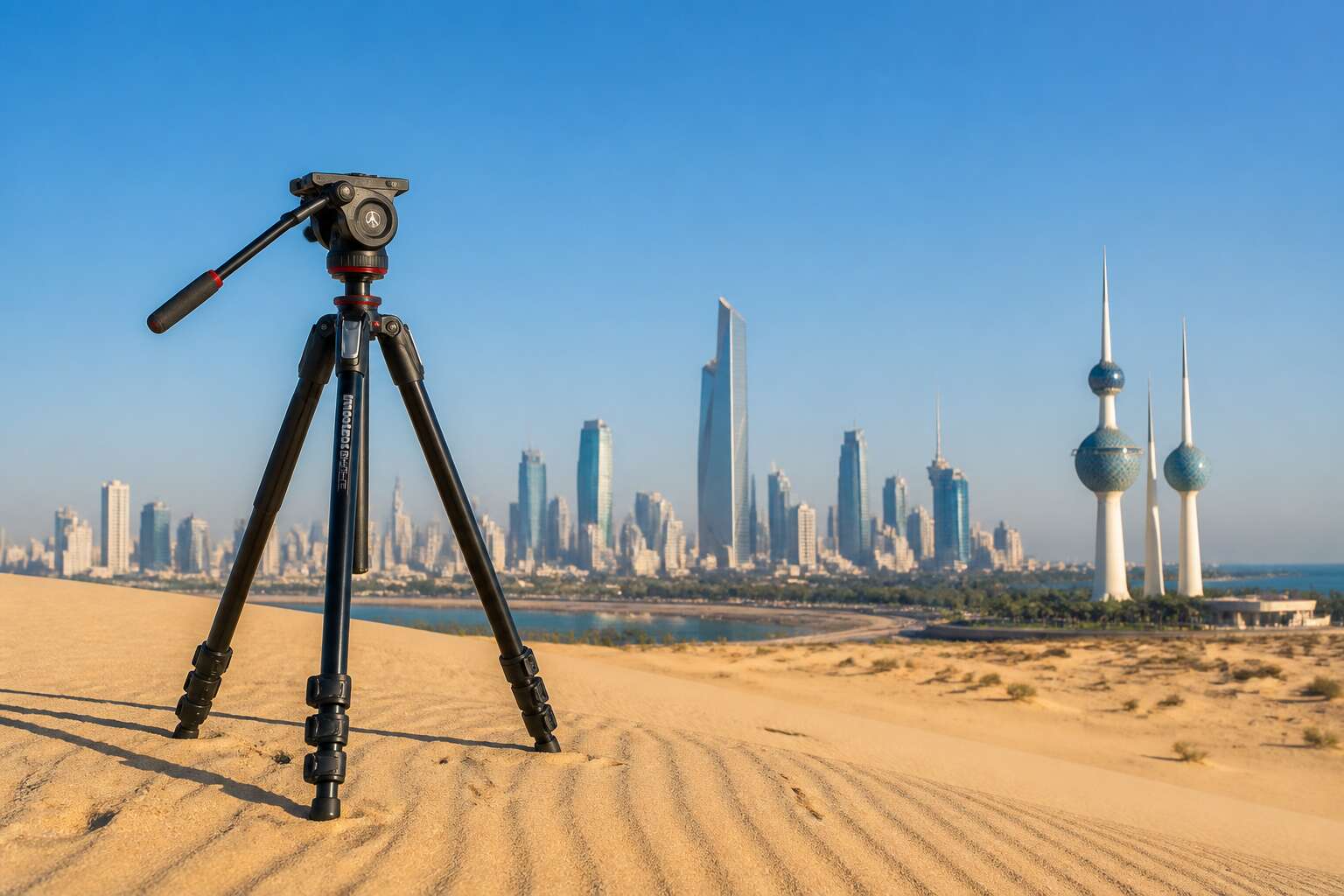
Evaluating Your Photography Requirements in Kuwait
Identifying Your Camera Type and Weight Capacity
Every photographer in Kuwait eventually faces a moment of stillness. The desert light is harsh, unforgiving, and beautiful, demanding absolute precision. A slight tremor in your hands can ruin that perfect capture. The evaluation begins with your camera body and lenses. A lightweight mirrorless camera has different needs than a full frame DSLR with a telephoto lens. You must calculate the total weight, including the head and any accessories you plan to attach.
Your search for a tripod kuwait hinges on this specification. Check the manufacturer’s load rating carefully; it must exceed the combined weight of your gear by at least twenty percent. This margin of safety ensures stability in the coastal winds that sweep across the city. Consider your primary shooting scenarios:
– Studio work with heavy strobes requires a robust column.
– Travel photography in the old souks demands a compact, lightweight design.
– Landscape work at dawn might require a hook to hang your bag for extra weight.
A tripod kuwait that is too light will sway with every shutter click. The head selection is equally important. A ball head offers quick adjustments, while a gimbal is better for tracking moving subjects. Your choice dictates the fluidity of your panning shots. The material, whether carbon fiber or aluminum, affects the vibrations transmitted from the ground. A solid base is your only true partner in the field.
Matching Tripod Height to Your Shooting Style
Height is the overlooked variable in composition. A tripod kuwait that reaches your eye level without extending the center column is the ideal, but your shooting style may demand more. Portrait photographers need the column at chin height. Landscape shooters often prefer a lower stance to capture the desert’s textured foreground.
- Street scenes in Kuwait City call for a compact setup at chest level.
- Architectural shots of the towers require a tall, stable reach.
- Macro work on coastal flora needs a ground-level spread.
I measure my own preference by how often I bend. If you are constantly crouching or craning your neck, your tripod kuwait is fighting your workflow. The right height is the one that disappears from your awareness!
Portability Considerations for Desert and City Shoots
Kuwait’s climate is hard on gear. Sand gets everywhere, but the walk between locations is the actual challenge. A tripod kuwait that feels light in the shop becomes a burden by the third hour of a city shoot.
Desert shoots demand a different kind of compromise. The dunes require a tripod kuwait with spiked feet and legs that lock tight, yet carrying it across soft sand punishes every extra gram. City work in Kuwait City adds another layer: security guards, narrow staircases, crowded sidewalks. Portability is not about weight alone. It is about how the tripod folds, whether the head can stay attached, and how quickly it fits back into a bag.
For my own work, I consider three things:
– Can I carry it for two hours without switching arms?
– Does it fit under a taxi seat?
– Can I deploy it within thirty seconds of reaching a spot?
These questions matter more than any spec sheet.
Top Retail Outlets and Online Stores in Kuwait
Specialized Camera Shops in Kuwait City
Once you have identified the ideal tripod for your specific camera body and shooting style, the next step is finding a reputable source. In Kuwait, you have a robust selection of both physical showrooms and digital marketplaces, each offering distinct advantages. Physical stores allow you to test the sturdiness of the legs and the fluidity of the head, which is crucial for heavy telephoto lenses. Online retailers often provide better stock of niche brands and competitive pricing that local shops might not match.
For those who prefer a tactile experience, the electronics souks in Kuwait City, particularly around the Bin Khaldoon Street area, are dense with options. However, the service quality can vary wildly between vendors. Conversely, dedicated camera stores such as Al Yousifi Digital and Alghanim Electronics offer a more curated experience with official warranties. Their staff are usually well-versed in the specific load capacities and material trade-offs, helping you avoid a flimsy purchase.
On the digital front, the landscape is equally competitive. Major platforms like Xcite and Sharaf DG offer convenience and frequent sales, but their tripod selection tends toward the entry-level. For professional-grade gear, websites like Amazon.ae or B&H Photo deliver to Kuwait, though you must factor in shipping times and potential customs duties. Local Instagram retailers have also carved out a niche, specializing in lightweight carbon fiber models ideal for travel. Regardless of your chosen path, always verify the maximum height without raising the center column, as this is a frequent point of misrepresentation in product listings.
The search for a tripod kuwait ultimately boils down to balancing immediate availability against long-term durability. It is tempting to grab the cheapest option in a rush, but a hurried decision often leads to a wobbly compromise. Take your time to compare the leg lock mechanisms and the quality of the quick-release plate. A tripod is an investment in sharpness, and the right vendor will help you secure that investment for years to come.
E-commerce Platforms with Local Delivery
Kuwait’s e-commerce sector has seen a sharp uptick in camera accessory sales, with local delivery becoming the deciding factor for many photographers. The convenience of doorstep shipping is hard to beat, especially after a long day of scouting locations.
When hunting for a tripod kuwait online, look beyond the big-box retailers. Specialized platforms often have better stock and more honest specifications. The major electronics stores are reliable, but their inventory leans toward consumer models.
A few platforms stand out for their service and delivery speed:
– Xcite: Excellent for mid-range Manfrotto and Vanguard models, with frequent flash sales.
– Blink: A strong contender for rapid delivery, sometimes within two hours.
– Sharaf DG: Great for bundle deals that include a carrying case and phone mount.
For professional-grade gear, you might have to look at regional sellers who ship directly to Kuwait. These operations usually have a physical showroom or a local agent, which simplifies warranty claims. Beware of listings with suspiciously low prices; they often use aluminum legs but claim carbon fiber.
Physical outlets still hold an edge. Stores like Al Yousifi Digital have adapted by offering a click-and-collect service. This lets you reserve your tripod kuwait online and then test the leg locks and head tension in person before paying. It is a hybrid approach that removes the guesswork from your purchase.
Second-Hand Markets and Community Groups
Finding the right tripod kuwait retailers offer can feel overwhelming, especially when you are comparing local stock against international options. The local market has grown significantly, with both major chains and specialized shops catering to different needs. You can find budget-friendly models for casual vlogging or high-end carbon fiber legs for professional work.
Online platforms have streamlined the shopping process considerably. If you prefer browsing from home, these options stand out for their inventory and delivery:
– Xcite: They carry a solid range of mid-tier brands and often have seasonal discounts.
– Blink: Known for fast delivery, which is useful if you need a tripod for an upcoming shoot.
– Sharaf DG: Good for bundle deals that sometimes include phone mounts or carry bags.
For those who prefer a hands-on approach, physical outlets remain essential. Stores like Al Yousifi offer a selection that focuses on durability and professional grade equipment. The staff there can help you assess the load capacity and build quality directly.
Second-hand markets in Kuwait present a unique opportunity for budget-conscious photographers. You will often find barely used tripods from expats who are relocating. Platforms like 4Sale and Instagram marketplaces have active photography sections. While you save money, you must check the leg locks and center column carefully for wear and tear.
Community groups on WhatsApp and Telegram are also valuable resources. Photographers frequently sell their old gear to make room for upgrades. Engaging with these groups gives you access to honest reviews and price advice. It is a practical way to find a tripod kuwait sellers might not have listed on mainstream retail sites yet, often at a more negotiable price point.
Essential Tripod Features for Kuwait’s Environment
Material Durability Against Heat and Sand
Kuwait’s summer sun doesn’t just beat down; it radiates off the pavement with a vengeance that can warp lesser equipment. When you are searching for a tripod Kuwait photographers rely on, the material composition is your first line of defense. Carbon fiber is the gold standard here because it handles extreme heat without becoming too hot to touch, and it resists the kind of thermal expansion that makes cheaper aluminum legs seize up.
Sand is the more insidious enemy. A single grain can grind a twist lock into permanent failure. Look for tripods with sealed, twist-and-lock mechanisms rather than lever clasps, which tend to have more exposed moving parts. The leg segments themselves should feature a multi-layer coating; this prevents the abrasive dust from scratching down to the bare metal and causing corrosion later.
Here is a quick checklist for assessing a model’s resilience:
– Ensure rubber foot spikes are replaceable, as sand wears these down quickly.
– Check for an integrated dust-proof seal on the center column.
– Prefer models with a matte finish, which reflects sunlight rather than absorbing it.
Ultimately, a robust tripod kuwait shooters use must sacrifice some weight for the sake of sealed joints and thicker wall construction. It is a trade-off that keeps your camera stable when the ground feels like a griddle and the air is thick with grit.
Leg Locks and Stability on Uneven Terrain
In Kuwait, the summer heat does more than make you sweat; it punishes your gear. I remember watching a fellow photographer wince as he touched the metal legs of his tripod, the metal hot enough to leave a mark. That reflex is a daily reality here. While we have already covered the basics of choosing a tripod for weight and height, the true test in this climate is how the materials themselves respond to the relentless sun and abrasive dust. The difference between a tripod that lasts a decade and one that fails in a season often comes down to the composition of its legs, not its brand name.
Carbon fiber is the standout choice for anyone serious about photography in this region. The primary benefit is not just the obvious weight savings, but the thermal conductivity. Unlike its aluminum counterparts, carbon fiber does not turn into a branding iron after thirty minutes in the sun. It stays manageable, even when the mercury pushes past 45 degrees Celsius. But the advantages go beyond simple comfort. In the kind of heat we experience, thermal expansion can cause metal components to bind. Carbon fiber’s low expansion rate means your twist locks and slider mechanisms remain precise, avoiding the frustrating stiffness that plagues cheaper alloys when the air temperature soars.
However, there is a secondary battle taking place just above the ground: the dust. The fine, powdery sand of the Arabian Peninsula is an abrasive nightmare. It finds its way into every crevice, and once it does, it grinds down moving parts with surprising speed. This is where the locking mechanism design becomes more critical than the leg material itself. I have seen expensive aluminum tripods seize up completely because a gust of wind blew grit into the cam locks. For this environment, the twist-lock design is superior. It creates a sealed chamber when tightened, preventing the ingress of the very particles that will eventually destroy a lever-lock system. The lever mechanism, with its exposed joints, is a liability here; it acts like an open mouth, swallowing the dust that will eventually make it impossible to secure your camera.
Because of this, the longevity of your investment relies heavily on the leg sections’ coating. Anodized aluminum is durable, but if the coating gets scratched during transport, the bare metal underneath becomes vulnerable to corrosion. The salt-laden humidity in the coastal areas of Kuwait accelerates this process. A quality carbon fiber leg, by contrast, does not corrode. Its surface is inherently resistant to the elements. When I look at photographers who have been working in Kuwait for years, their carbon fiber setups still look and function like new, while the aluminum tripods show distinct signs of wear—scratches, faded anodizing, and sticky joints.
Even the smallest details matter when you are standing in the desert for hours. The rubber feet on your tripod will face extreme conditions. They will be pressed into scorching asphalt and gritty sand. Eventually, they will wear down. I prefer models where these feet are replaceable. It is a small feature that extends the life of the entire unit. If the feet are molded on permanently, the tripod loses its grip stability once the rubber hardens or cracks, which is a safety hazard for expensive glass.
Ultimately, the debate between carbon fiber and aluminum for a tripod in Kuwait is not about weight. It is about reliability. It is about the confidence that your equipment will function flawlessly when you are miles from the nearest shop, waiting for the light to turn golden. Aluminum is heavy, but it is also cheaper; it works until the heat and sand take their toll. Carbon fiber requires a larger initial investment, but it offers a resilience that is essential for the climate here. For those wondering if the premium price is justified, consider the cost of replacing a damaged camera body when a lock fails. The gentle, heat-resistant nature of carbon fiber is not a luxury; it is a practical necessity for shooting in this harsh, beautiful part of the world. It is the difference between fighting your equipment and focusing on the shot.
Head Types for Panning and Precision
The frustration of a locked-up head is a quiet killer of great photographs. Just as the legs face the sun and sand, the head is where your precision lives or dies. A head that binds or drifts in the heat turns a simple pan into a battle, and that is the last thing you need when you are tracking a subject under a harsh Kuwaiti sun.
For those who shoot motion, a fluid head with adjustable drag is a necessity. It allows for a smooth, controlled pan, even when the lubricants inside have thinned under the heat. The ability to tension the movement means you can still get that silky sweep for video work, regardless of the ambient temperature. For still photographers, an Arca-Swiss compatible ball head offers speed. A lever-release clamp is quicker, but a knob-tightened one can be adjusted more finely.
When choosing a head for your tripod kuwait setup, consider these features:
– A friction control that can be dialed in for the weight of your specific camera body and lens.
– A separate panning base lock, so you do not accidentally change the horizon when you lock the ball.
– A modular plate system, which allows you to switch between camera bodies without constantly re-tightening the main knob.
The lock mechanisms on the head will face the same grit as the legs. A sealed head design is preferable. Open turrets and exposed gears collect dust. Over time, they grind. A head that is completely enclosed protects the internal mechanism from the fine particles that are always in the air here. That protection is what keeps your adjustments precise, shot after shot.
Load Capacity and Center Column Mechanics
Load capacity is the silent contract between your gear and the ground. A tripod kuwait photographer uses must carry a rating that exceeds the combined weight of camera body, lens, flash, and microphone array. Heat thins lubricants and softens plastics, but the metal struts take the real strain. If the legs are rated for eight kilograms, you should not be mounting a seven kilogram cinema rig. The margin is your safety net.
The center column is a mechanical compromise. Raising it increases height but reduces stability. The hook at its base exists for a reason. Hang your camera bag there to lower the center of gravity. The column itself should have a friction collar that resists sudden drops. A gearless column that slides under load in the desert heat is a hazard.
Consider these mechanics for the South African climate too:
– A column that is reversible for low-angle macro work.
– A crank mechanism that does not bind after exposure to dust.
– A brake that holds firm when the column is partially extended.
Stability in soft ground comes from spread legs and a low column, not from extension. Secure the column down and let the legs do the work.
Quick Release Plates and Compatibility
Kuwait’s heat tests more than just your camera’s sensor; it challenges the very connection between your gear and your support. In this environment, the quick release plate becomes the unsung hero of your kit. A standard 1/4-inch screw might feel secure indoors, but the thermal expansion of metals in 50-degree heat can alter tolerances. This is where the design of the plate itself matters more than the brand name. You need a plate with a machined lip that locks into the head with an audible click, not a vague snugness that loosens after an hour of shooting in the desert sun.
Compatibility extends beyond the simple screw thread. The depth of the plate is critical. A plate that sits too low will prevent the clamp from closing flush, leaving a micro-wobble that ruins long exposures. Conversely, a plate that is too thick places the camera’s center of gravity too high above the pivot point. When you’re chasing a shot along the Gulf Road with a telephoto lens, this imbalance becomes a constant source of frustration.
For field work, a universal plate offers flexibility, but a dedicated L-bracket is often the superior choice. It allows you to switch between horizontal and vertical compositions without repositioning the head, saving valuable time when the light shifts. However, the true test is the lock. In dusty conditions, a simple tension knob can be a liability.
Consider these specific features for your build:
– A positive-lock mechanism with a secondary safety pin.
– A rubberized gripping surface that doesn’t harden in the heat.
– A captive screw that cannot be lost during a busy transfer.
The most reliable tripod kuwait setup is one where the interface between the camera and the sticks is boring, predictable, and utterly dependable. If you have to double-check the tightness of your plate every time you set up, you have introduced a point of failure. The answer is to standardize your gear, ensuring every camera body and telephoto lens carries the same plate type. This consistency means your muscle memory can focus on framing the shot, not on verifying a mechanical connection. That is the true value of a thoughtful setup in this climate.
Maintenance and Care Tips for Longevity
Cleaning Sand and Dust from Joints
A tripod in Kuwait collects a surprising amount of dust after a single outing. The connections are the first to suffer. I learned this after returning from a shoot near the Jahra coast and finding every seam gritty.
Clean the joints with a stiff brush, not a cloth. Open each leg section fully. Work the brush along the collars and threads. For deeper debris, use canned air but hold the camera upside down so particles fall out.
Do not lubricate the twist locks. Oil binds with fine sand to form a paste. Instead, keep a checklist:
- Loosen all joints.
- Tap the legs gently.
- Brush every seam.
- Wipe dry.
Store the tripod kuwait with legs extended to allow residual grit to settle out. This routine adds years to the equipment.
Lubrication and Corrosion Prevention in Humid Conditions
Kuwait’s humidity works slowly, methodically. It seeps into the metal of a tripod kuwait photographers depend on, and rust follows. The air near the Gulf carries salt, and salt accelerates decay with a patience that feels deliberate.
Lubrication becomes a ritual of preservation. A light silicone grease on the threads and collars repels moisture without attracting the fine dust that heavier oils capture. I have seen a tripod kuwait owner destroy a perfectly good head by using engine grease. The viscosity was wrong, and the sand did the rest!
- Inspect metal surfaces for discoloration after every coastal shoot.
- Apply a thin film of corrosion inhibitor to exposed steel parts.
- Store the legs in a dry room, never a garage or car boot.
Corrosion announces itself with a faint orange bloom on a leg lock. Once it spreads, the damage is permanent. The ritual of care must happen before the first sign appears.
Storing Your Tripod to Avoid Heat Damage
Periodic Checks and Firmware Updates for Smart Tripods
In the Gulf’s relentless climate, a camera support system demands more than casual attention. The fine dust of Kuwait City finds its way into every pivot and twist, silently grinding against precision parts. Heat accelerates the breakdown of internal greases, while humidity from coastal evenings invites corrosion. A routine inspection every few weeks, focusing on the collar locks and foot assemblies, will reveal early warning signs before they become costly repairs.
Smart tripods bring a digital layer to this physical upkeep. Their firmware controls motorised panning, levelling bubbles, and even remote diagnostics through a companion app. Periodic updates are not a luxury here; they refine the algorithms that compensate for shaky ground or strong desert winds. Without these patches, you forfeit the stability your gear promises.
Consider these essential checks for your equipment:
1. Wipe the leg sections with a microfiber cloth after each shoot to remove abrasive grit.
2. Verify that all twist locks engage fully, without any play or hesitation.
3. Charge the internal battery to at least 50 percent before storing it for long periods.
4. Update the app and firmware simultaneously to avoid version mismatches.
A tripod in Kuwait earns its keep through consistent care. When you treat the mechanics with respect and keep the software current, your setup remains a reliable partner for capturing the region’s stark, luminous beauty, whether you are framing the skyline or the endless dunes.
Enhancing Your Setup with Tripod Accessories
Choosing the Right Ball Head vs Fluid Head
A mismatched accessory on your tripod head causes more missed frames than any camera flaw. In Kuwait, the choice between a ball head and a fluid head dictates which additions improve your setup with real effect.
Ball heads work best with a compact locking clamp that keeps heavy lenses steady. Fluid heads respond better to a counterbalance spring, which offsets the forward tilt during slow pans. I have tested both on dusty ground, and the difference becomes obvious within minutes. A seamless tripod kuwait shooting session relies on the accessory’s torque matching the head’s friction range.
Leveling bases and oversized tension knobs alter how each head handles sand intrusion. They are small, but they stop the constant re-leveling that sandy joints force on you.
Monopods and Other Support Alternatives
Statistically, over 80% of blurred telephoto shots come from shooter fatigue, not camera shake. Yet we cling to full tripods like desert wanderers to a mirage. When the sun turns your carbon fiber into a branding iron)Skip the full setup. A monopod offers surprising stability without the weight. Your arms still do work, but the support column carries the load. This matters during long waits at Kuwait’s bird sanctuaries or when covering events with shifting crowds.
Pair a monopod with a foot that has retractable spikes for loose sand or a rubber base for the city’s polished marble floors. A wrist strap and a quick-release plate make transitions smoother than a chilled Karak.
Consider these additions:
– A monopod with a tilting base for quick angle changes.
– A collapsible clamp for railings and car doors.
– A beanbag for low-angle shots on gritty surfaces.
For video work, a shoulder rig or a compact slider can outperform a tripod during dynamic sequences. The goal isn’t a stable platform. It is getting the shot without becoming a camel burdened with gear. Your back will thank you for the lighter load.
Remote Shutters and Stabilization Gadgets
Remote shutters remove the vibration caused by pressing the shutter button. For a tripod kuwait setup, a wireless remote or a smartphone app triggers the camera from a distance. This matters for long exposures of the Kuwait City skyline or the desert at dusk.
Stabilization gadgets add another layer of security. A hook on the center column holds your bag for extra weight. A leveling base adjusts quickly on uneven ground. Consider these additions:
- A cable release for precise control.
- A wind screen for outdoor shoots.
- A sandbag for a low center of gravity.
These tools reduce shake and improve sharpness. They are small, affordable, and easy to pack. I always keep a remote shutter in my pocket for self-portraits and group shots.
Carrying Solutions for Travel in Kuwait
The heat in Kuwait is a thief of both energy and equipment. A tripod kuwait that performs flawlessly in a shaded studio becomes a burden on a 50 degree day in the desert. But the real challenge begins before you even set up your shot. It is the act of transporting the gear itself.
A padded sling strap distributes the weight of a heavy carbon fiber leg set across your shoulder, preventing fatigue during long walks through the city. For the dunes, a modular holster system attaches to your belt. It keeps your tripod kuwait secure while leaving your hands free to manage water and lens cases. This matters when the wind picks up and the sand begins to move.
The sun is relentless here Rush hour in Salmiya creates a gridlock that swallows your shooting window. When you finally reach a viewpoint, your gear must be ready immediately and undamaged.
Use a hard case with custom foam for airport travel. It protects against baggage handlers and the violent tumble of a busy cargo hold.
Keep a dust cap on the head when not in use. The fine particulate of the desert penetrates everything.
Consider a car mount that holds the tripod against the passenger seat. It prevents the constant sliding and knocking that damages joints over time.
The carrying solution becomes part of your workflow. It allows you to move through Kuwait with the quiet efficiency of a professional, rather than a tourist wrestling with loose straps and unbalanced bags. The gear is an extension of your intent ten minutes of walking with a poorly balanced load erases the patience you need for a perfect exposure.

0 Comments