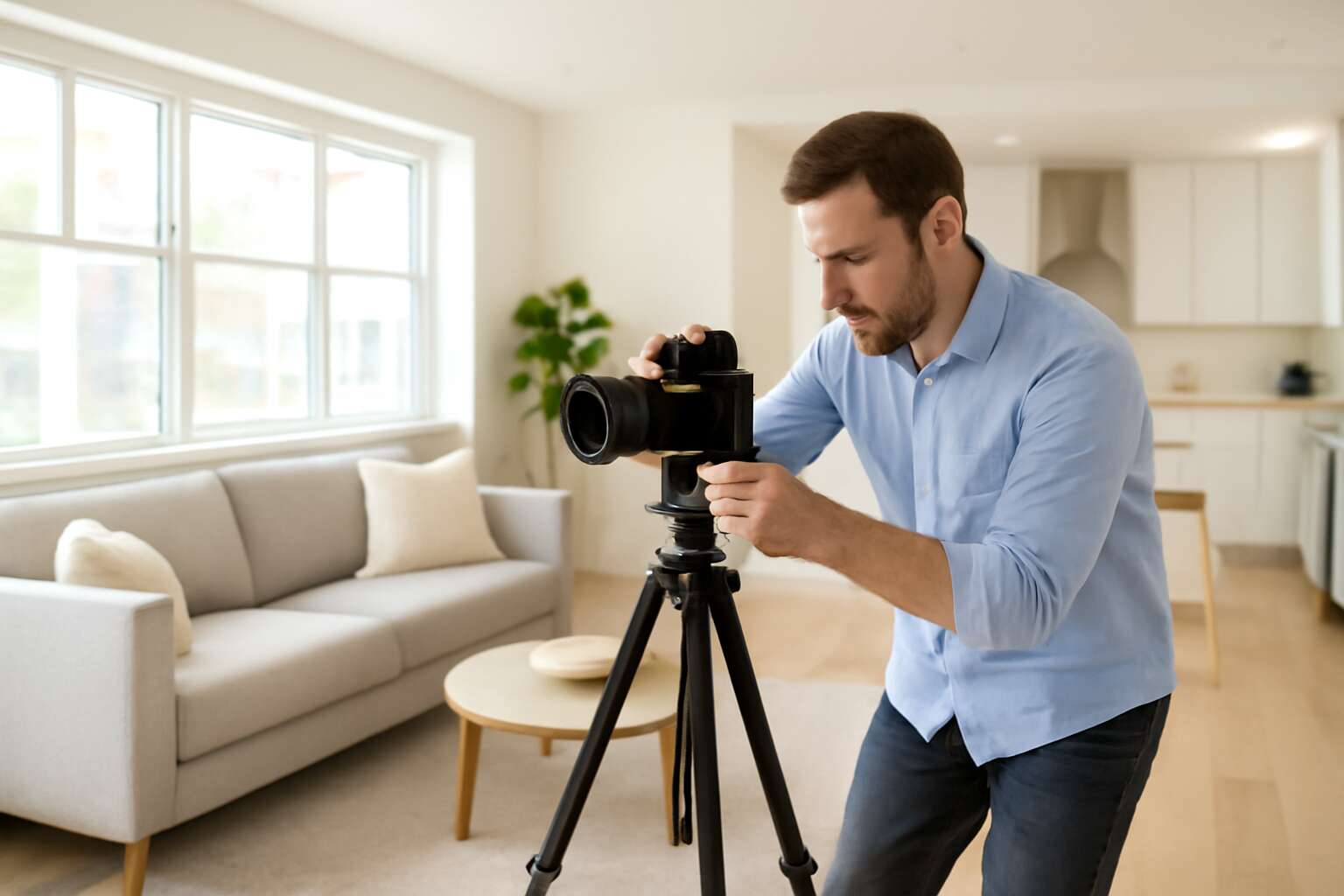
Property photography gear and tripod basics
Choosing the right tripod for property shoots
Every listing has a story, but it’s light that decides whether viewers stay. The right real estate tripod is the quiet, unseen stage manager that steadies every shot from sunlit lounges to shadowed corridors. Here in South Africa, where homes swing between wide-open spaces and snug entrances, reliable gear is essential.
Property photography gear isn’t just toys; it’s a toolkit for clarity. The core is a solid tripod with a smooth head, stable legs, and a quick-release plate. Balance, not bravado, wins in tight rooms.
- Height range to fit common room heights
- Locking stability for long exposures
- Material and weight for comfort on location
Think about where you shoot—corridors, kitchens, bathrooms—in SA climate. A well-chosen tripod supports wide-angle serenity, ensuring the camera stays level. When the light shifts, the story remains intact.
Tripod features that matter in property photography
In South Africa, steady images convert viewers into inquiries—statistically, listings that feel calm and well-lit attract 60% more attention. The right stance for a room isn’t just about the lens; it’s about trust, and steadiness quietly supplies it.
These tools do more than hold a camera; they cradle space. A real estate tripod steadies the frame from sunlit lounges to shadowed corridors, letting wide angles breathe without tilt or wobble.
- Height range to fit common room heights
- Locking stability for long exposures
- Material and weight for comfort on location
In the SA climate, aluminum or carbon fiber blends practicality with resilience, quick-release plates speed setup, and feet that bite on tiled floors or dusty pathways. The right tool stays loyal, letting the property’s story speak without distraction.
Lightweight tripods for on-site shoots
In the SA market, well-lit, calm imagery pulls 60% more inquiries than cluttered shots, and a real estate tripod is the quiet partner that makes that magic possible. It travels light, yet stands firm when the afternoon sun gleams across tiled foyers or shadows linger in hallways.
On-site shoots demand gear that moves with you—compact, feather-light, and ready in a heartbeat. A sturdy aluminum or carbon fiber frame keeps the horizon level as you sweep wide angles, compressing bustle into stillness.
- Lightweight design for easy carry between rooms
- Quick-release plate for rapid framing
- Stable feet grip on tiles and dusty pathways alike
These tools cradle space, letting a property’s narrative breathe and inviting viewers to linger on the threshold rather than stumble over wobble.
Stability and load capacity considerations
Across South Africa’s property scenes, the first impression hinges on steadiness—buyers feel the calm in light resting on walls and tiles. A well-balanced real estate tripod makes that magic possible, quietly shaping every frame. Listings photographed with restraint and precision invite inquiries, turning rooms into narratives rather than rushed glimpses!
Stability and load capacity are the quiet spine of on-site storytelling. Choose a real estate tripod with a rating that eclipses your heaviest rig; account for wide angles and heavy lenses. Carbon fiber keeps carries light, while aluminum offers durability in a sunlit foyer. Check the center column and leg locks; a firm grip on tiles or dusty pathways keeps horizons level even as you move through space.
- Weight rating and center of gravity
- Leg construction and locking
- Feet grip on tiles and dusty pathways
In the quiet, your gear becomes a partner; the room breathes.
Budget-friendly vs premium tripod options
Stability is a strategy, not a feature. “Stability sells spaces,” a veteran agent once told me, and the rooms confirm it when light lands squarely on tile and trim. In South Africa’s fast-moving market, a balanced frame calms the eye and invites a viewer to linger. A well chosen real estate tripod becomes the quiet partner that holds every corner in balance, letting the space tell its story without trembling.
Budget-friendly versus premium tripod options come down to weight, rigidity, and durability.
- Budget-friendly: aluminium legs, basic locks, light carry.
- Mid-range: stiffer legs, taller reach, smoother movement.
- Premium: carbon fiber, refined dampening, built-in level, longer warranty.
Across South Africa’s diverse spaces, the right tripod stays invisible yet essential—holding the line so every frame breathes.
Camera setup and composition for property listings
Choosing lens and focal length for interior shots
Positioning and alignment techniques with a tripod
In real estate photography, the first impression is forged in the opening frame. A well-balanced shot can lift viewer engagement by noticeable margins. A real estate tripod keeps lines true and fixtures honest, letting space breathe rather than bending to glare and perspective tricks.
- Lines align with architectural cues to preserve space
- A level camera minimizes distortion in verticals such as ceilings and windows
- Vantage points reveal the natural flow from room to room
When the shot lands, the space tells its own story; the tripod becomes a quiet, credible ally in South Africa’s bustling market, delivering distortion-free frames that invite a closer look.
Vertical alignment and horizon leveling tips
In real estate, a crisp frame can seal the deal. A South African agent quips, “A good photo sells a home before the first tour.” That punchy line frames the opening frame as the buyer’s first impression.
Camera setup and composition matter more than flash bravado. Keep the camera at chest height for balance and let a real estate tripod lock the horizon. When lines stay true, rooms breathe; distortion and glare bow out gracefully.
Vertical alignment and horizon leveling keep the narrative clean:
- Verticals align with architectural cues to preserve space.
- Horizontal lines stay square to windows and floors.
- Consistent eye line helps the eye move room to room.
In South Africa’s bustling market, the real estate tripod remains a quiet ally, delivering distortion-free frames that invite a closer look.
HDR and bracketed exposure workflows
Three-quarters of buyers say photo quality shapes their first online impression, and in South Africa’s fast-paced market that impression is everything! A crisp frame hints at space and light, and a sturdy real estate tripod keeps the horizon locked as light shifts across rooms.
HDR and bracketed exposure workflows turn that crisp frame into detail-rich reality. With the camera mounted on a real estate tripod, you can bracket shots from shadows to highlights while preserving verticals and keeping architectural lines straight. This balance makes windows glow without blowing out and textures in corners stay legible.
- Bracketed captures define the dynamic range across interior highlights and exterior views
- RAW files preserve latitude for post-processing without sacrificing color fidelity
- Post-processing focuses on natural tone-mapping and precise alignment to avoid ghosting
In a crowded market, the seamless narrative from room to room hinges on steady framing and consistent perspective—an understated strength of the real estate tripod that invites closer eyes on the listing.
Staging and clutter management for clean shots
In South Africa’s brisk market, a listing photo is a handshake that makes buyers pause. A real estate tripod keeps the frame pristine, the horizon level, and architectural lines confident as daylight drifts from room to room.
Camera setup and composition begin with a measured gaze. Mount shots at human height, keep the grid on, align verticals to the edges, and frame doorways as portals to space. Let wide angles whisper rather than shout.
Staging and clutter management for clean shots is the quiet artisanry that lets space breathe.
- Declutter surfaces and embrace negative space
- Stow cords, cleaning products, and personal items
- Use a few tasteful props to convey scale
Tripod selection for different property environments
Materials and build quality: aluminum vs carbon fiber
In South Africa’s bustling property market, the frame around a home often tells the story before the door opens. “Stable framing is truth,” a seasoned photographer once reminded me. The real estate tripod becomes that quiet guarantor of clarity amid reflections, shadows, and open horizons.
Materials and build quality decide how gracefully a shoot endures a long day on site. Aluminum offers budget-friendly robustness, while carbon fiber delivers lightness and stiffer, crisper lines—minimizing micro-vibration on windy exteriors. The choice hinges on tolerance for weight, price, and the harsher on-site realities of SA beaches and concrete blocks.
For tight interiors or rental properties, portability and balance matter; for coastal mansions, stiffness and fatigue resistance win. I lean toward carbon fiber when days stretch long; for quick turnover shoots, aluminum can be the smart, steady partner!
Low-angle and tall ceiling applications
Frames outlive doors; a veteran photographer whispered, “The frame is the truth you walk into.” In South Africa’s vibrant market, the real estate tripod anchors every reflection, turning wind, glare, and time into room for clarity.
For low-angle and tall-ceiling applications, the real estate tripod becomes a poised hinge—stability first, elegance second. In tight lounges, it breathes; in grand foyers, it reveals lines and height without jitter.
Consider environments where perspective proves decisive:
- Low-angle corridors and compact rooms
- Tall-ceiling reception areas and atriums
- Coastal exteriors with gusty wind and reflections
From beachside villas to city lofts across SA, the tripod frames mood in the SA market, a quiet partner in the story you tell through light.
Working in tight spaces with compact tripods
A sharp start travels further in small rooms than a glossy brochure. A veteran photographer whispered, ‘The frame is the truth you walk into,’ and that truth travels with a real estate tripod into SA homes!
Working in tight spaces calls for a nimble, compact tripod—short collapsed height, sturdy legs, minimal footprint. For real estate shoots in compact lounges, narrow corridors, and sunlit balconies, the right model unlocks cleaner lines and steadier horizons.
These environments benefit from deliberate placement and calm framing.
- Compact lounges and entryways
- Narrow corridors and stairwells
- Coastal exteriors with gusts and reflections
From seaside villas to city lofts, the tripod remains a quiet partner in telling a room’s story—steady, respectful, and true.
Carrying cases and quick setup accessories
Powerful frames are born on the move, and in South Africa’s compact lounges and sunlit balconies, a real estate tripod that travels light keeps every line honest. For tight spaces, a model with a short collapsed height and stable legs becomes a quiet partner, guiding attention from doorway to horizon. ‘A frame is a doorway to truth,’ a veteran photographer whispers, and the truth travels with the lens from coastal veranda to city loft.
- Hard-wearing, padded carrying case with shoulder strap
- Lightweight, protective interior that won’t snag legs
- Quick-release plate compatible with standard heads
- Built-in bubble level for instant alignment
- Weather-resistant finish for coastal shoots
These accessories stay ready in the bag, turning a trek between rooms into a choreography of calm and clarity. A real estate tripod, paired with the right case and setup gear, preserves the room’s truth.
Tripod heads: ball head vs pan-tilt for listing shoots
South Africa’s property tours glide from sunlit balconies to compact lounges, and a real estate tripod that travels light keeps every line honest. In tight spaces, a short collapsed height and sturdy legs become a quiet ally, guiding the eye from doorway to horizon with calm, almost clinical precision.
Ball heads move fast, perfect for room-to-room framing where angles shift on demand; pan-tilt heads lock horizons and keep verticals true in lofty or staircase shoots.
- Ball head: quick adjustments, lighter rigs.
- Pan-tilt: precise horizon control for architectural lines.
- Hybrid: blends speed with accuracy for awkward layouts.
For listing shoots across coastal or urban interiors, the right real estate tripod makes the scene feel inevitable.
Practical setup, maintenance, and workflow optimization
On-site setup checklists and time-saving hacks
In property listings, crisp photos drive action—views climb by about 40% when lighting and alignment are on point. A dependable real estate tripod keeps every shot steady, speeds up workflow, and reduces post exposure tweaks across all rooms.
This is how we keep setup smooth on site:
- Pre-shoot check: battery, memory card, and head attachment level
- Standardized kit: one quick-release plate, minimum of two lenses, and an aiming guide
- Maintenance habit: wipe joints, inspect clamps, and pack back neatly after each listing
Workflow optimization means fewer retries and more confident shoots as you stage spaces and capture angles efficiently.
Maintaining stability on uneven surfaces
South Africa’s fast-paced market rewards pictures that glow with crisp light. A steady setup is the engine behind every lift in inquiries, especially on uneven surfaces. In SA listings, crisp photos lift inquiries by up to 40%. With a real estate tripod, shots stay true, angles align, and fatigue dissolves into smooth capture. Maintenance—checking joints and keeping clamps snug—feels ceremonial, but the payoff is practical: fewer retakes and sharper framing.
- Feet grip and pads create a stable base on varied floors.
- Leg extensions balance on uneven surfaces for a low center of gravity.
- A bubble level gives horizon feedback before shooting.
Workflow grows calmer when setup becomes a ritual: pre-shoot checks, tidy packs, and a quick room-by-room glance to seal the narrative. The result is a disciplined rhythm that travels from hallway to living room, saving time and preserving data integrity.
Cleaning and protecting gear between showings
Practical setup is more narrative than ritual. A real estate tripod becomes the quiet backbone of a listing, turning hurried moments into precise frames. In South Africa’s fast market, crisp light and steady horizons translate to quicker interest—photos that glow can lift inquiries by up to 40%.
Maintenance matters: check joints, tighten clamps, and wipe surfaces between showings. A real estate tripod thrives on disciplined care, so a quick clean and a light lubrication keep legs honest and angles true. The payoff is quiet—fewer retakes and sharper framing in a single, sustained sweep.
Workflow optimization morphs into routine: post-shoot, pack, label, and perform a room-by-room scan to seal the story. Cleaning and protecting gear between showings becomes second nature, a ritual that travels with you from hallway to living room.
Integrating tripod-based content into listing descriptions
In SA’s fast market, crisp light and steady horizons drive quicker interest—photos that glow lift inquiries by up to 40%. A real estate tripod quietly anchors that promise, letting you frame rooms with the patience the eye craves and the buyer’s imagination deserves.
Practical setup embodies consistency: spaces where the tripod can settle between showings, with height tuned to fit ceilings and living spaces. With a real estate tripod, you capture balance and rhythm in one measured sweep.
Maintenance matters: check joints, tighten clamps, wipe surfaces; a quick clean and light lubrication keep legs honest and angles true, reducing retakes and preserving the calm of a busy listing.
Workflow optimization becomes routine: after shoot, pack, label, and scan each room to cradle the property story. The real estate tripod travels with you from hallway to lounge, smoothing the transition from draft to display.
- faster turnarounds
- consistent framing
- clear listing descriptions
Generating SEO-friendly photo captions and alt text
Practical setup anchors the frame and the tastefully quiet pace of a listing. The real estate tripod sits where the light wants to be, height tuned to breathe with ceilings and rooms, not fight them. You frame with intention, letting the space reveal its rhythm in a single measured sweep.
Maintenance matters:
- Check joints and tighten clamps
- Wipe surfaces and protect feet
- Light lubrication to honor angles
Workflow optimization follows naturally: after shoot, pack, label, and scan, carrying the property’s story from hallway to lounge. Generating SEO-friendly photo captions and alt text completes the circle and supports faster inquiries.


0 Comments