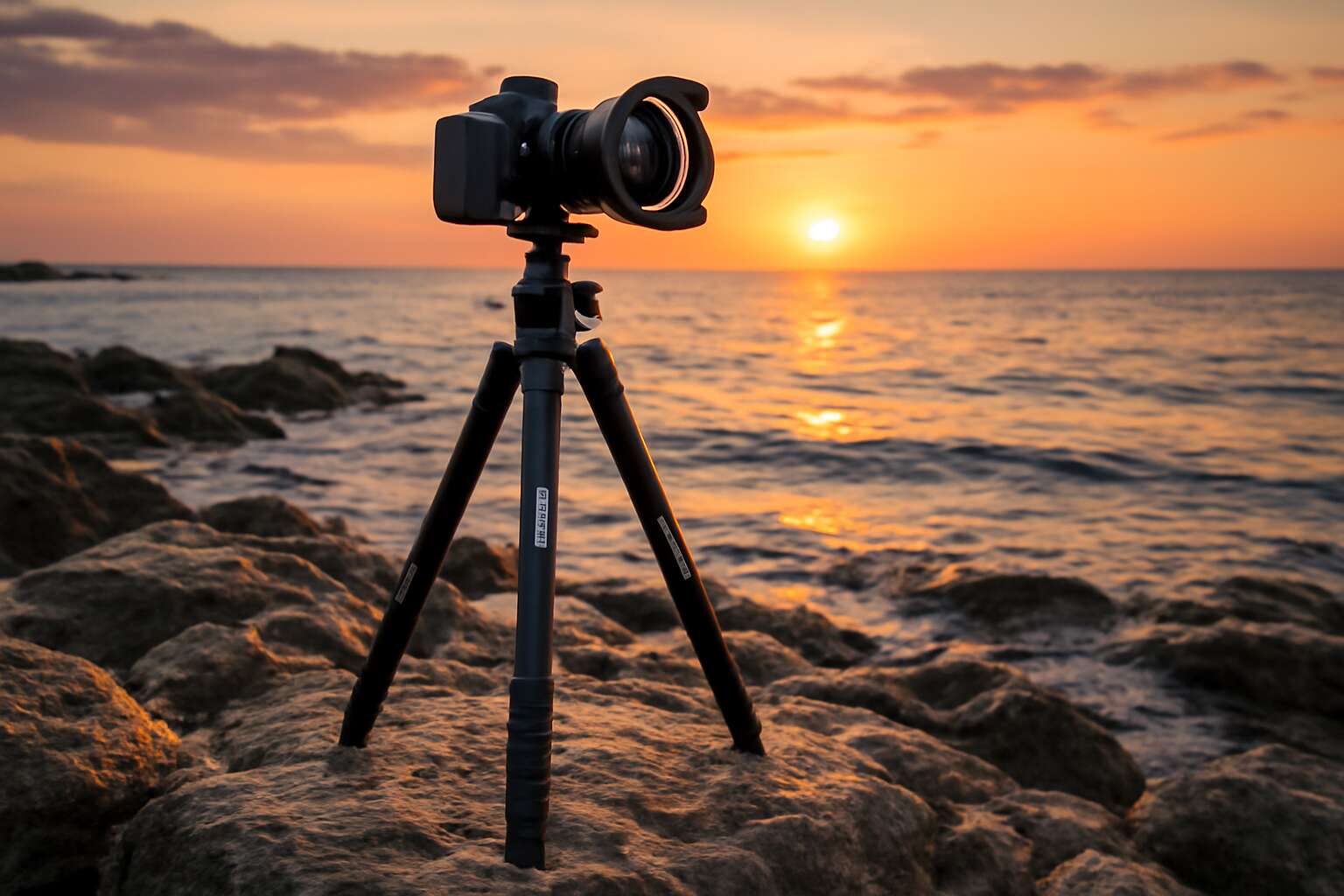
Overview of Modern Tripods
What is a Tripod and Why It Matters
Stability is the quiet heartbeat of every frame. In South Africa’s studios and wind-blasted landscapes, the tripod stands as a loyal witness to light’s secrets. tripod 50 anchors the craft, a subtle companion that lets the scene breathe rather than tremble.
A tripod is a three-legged platform that mounts a camera with a head and quick-release plate. Modern designs blend carbon or aluminium legs, adjustable heights, and intuitive locks, turning awkward angles into deliberate composition and granting photographers room to choreograph time itself.
Why it matters? Because steadiness translates to sharpness, fidelity to color, and the freedom to shoot when the world won’t hold still. Here are the hallmarks:
- Stability on uneven ground
- Flexible framing with tilt and pan
- Lightweight, portable form for field work
In the end, a tripod is a doorway—between intention and memory, between the dark and the image that remains.
Key Components of a Tripod
In the quiet calculus of light, a sturdy base keeps memory from drifting. Some call it fate; others call it a tripod. tripod 50 anchors that stubborn balance, turning breath into image in a land of wind and possibility—South Africa, where landscapes test every frame!
Modern tripods fuse carbon or aluminium legs with adjustable heights, a responsive head, and a fast-release heart that accepts the camera without drama. Here are the core components that shape every shot:
- Legs with locking mechanisms and ergonomic clamps
- Head options (ball, pan-tilt) for fluid framing
- Quick-release plate and safe loads
In the wind-split chambers of SA studios and field work, good geometry is moral as much as technical. I have watched frames settle when the base holds, and the right combination reduces tremor, preserves color fidelity, and invites deliberate composition—where patience becomes a partner and time a collaborator.
Types of Tripod Designs Compared
Across South Africa’s wind-worn plains, frames fight the gusts. In windy landscapes, about 7 out of 10 shots drift without a steady base. The tripod 50 becomes a quiet anchor, turning breath into image and promise into frame.
Modern tripods are not one-size-fits-all. They split into design families that balance weight, height, and resilience. Each design leans into a different kind of breeze, a different kind of shot.
- Ball-head tripods for fluid framing
- Three-way/pan-tilt heads for precise composition
- Video rigs with geared heads for controlled motion
- Travel tripods with compact, foldable legs
Around the core choices sit materials and mechanics. Carbon fiber legs cut weight without surrendering stiffness; aluminum offers budget-friendly heft. Heads range from ball to pan-tilt, with geared options for slow, cinematic moves.
In fields, studios, and coastal towns, the right tripod design becomes a partner in light. The tripod 50 stays vigilant, harmonising wind and breath into steady, storyful frames.
Choosing a Mid-Range Tripod for Enthusiasts
Across South Africa’s wind-prone dawns, 70% of hobbyists upgrade to a mid-range tripod within the first year. The tripod 50 sits squarely in that sweet spot, balancing weight, height, and price so you aren’t juggling shed-loads of gear or a wobbly horizon.
Mid-range tripods in the 50-series tier bring thoughtful compromises: sturdy, lockable legs; a versatile head; and compatibility without the premium price tag. These rigs balance brisk outdoor shoots with the occasional studio portmanteau.
- Optimal weight-to-stiffness ratio
- Good height range and compactness
- Head options and quick-release plate
They suit field work, coastal shoots, and studio days in South Africa’s towns; the tripod 50 is not flashy, just dependable, letting wind and breath become part of the picture. The tripod 50 stays practical, a quiet enabler for narrative precision.
Setting Up and Stability Essentials
Understanding Leg Locks and Lock Mechanisms
In real-world testing, a stable tripod cuts motion blur by up to 60%, a truth the pros live by on windy SA beaches and dusty veld alike. The tripod 50 isn’t just hardware; it’s your quiet buffer between a fallen leaf and a razor-sharp frame.
Setting Up and Stability Essentials hinge on leg geometry and how the locks bite. Understanding leg locks and lock mechanisms helps ensure the build remains rigid, even when the veld wind pretends to audition for a gust. Consider these common lock types:
- Twist-locks
- Lever-locks
- Flip-locks
Each system trades speed for grip and durability; choose based on climate and terrain. In South Africa’s heat and dusty winds, locks that resist grit win.
Beyond locks, the footprint and load distribution matter. A stable base helps the camera stay aligned with the subject through South Africa’s changing light, turning tricky gusts into a manageable moment rather than a windy blur.
Using Center Column Adaptations
On windy South African shores, stable gear shaves motion blur by as much as 60%. The tripod 50 is built to withstand dust, heat, and grit, turning a gusty frame into a still moment that stands up to demanding light.
Center column adaptations redefine stability. Extend for clearance when the view demands it, then tuck it away to keep the footprint compact in a gust. The aim is balance: keep weight close to the center of the stand while preserving alignment with the subject through changing light.
Center column options can give you room to breathe without sacrificing rigour:
- Standard height with a solid base for consistent framing
- Low-angle positioning for ground-level detail and intimacy
- Mid-travel extension to counter wind drift without overreaching
With the tripod 50, the base footprint and column choices work in concert, delivering crisp frames as veld dust swirls and the horizon shifts.
Stability Tips in Wind and Uneven Terrain
On the wind-sliced coasts of South Africa, the tripod 50 doesn’t just stand—it listens. Gusts tug at the horizon while a stable frame holds its pose, turning a gusty frame into a still moment that refuses to blur. Dust and heat are no match.
Stability is a quiet dialogue between base, legs, and column. Extend and retract with purpose to preserve balance as light shifts; keep the center of gravity near the stand’s heart and your subject in frame without fighting the wind.
In uneven terrain, veld dust swirls and horizons slide; this rig keeps crisp lines by grounding the shot in gravity and patience. It’s where craftsmanship meets the courage of open spaces.
Vibration Reduction Techniques
Wind doesn’t just mess with a frame; it negotiates with your patience. On South Africa’s windy coasts, a still moment is earned, not stumbled upon. The tripod 50 becomes a partner, listening to gusts and choosing balance over bravado.
Setting Up is a ritual of balance. Start with a solid base, level the legs, and keep the center of gravity low to curb sway as light shifts.
- Footprint considerations for stability
- Center of gravity considerations
- Weight anchoring concepts
- Locking mechanisms and balance
Vibration Reduction Techniques extend beyond the base: use a remote shutter, minimize vibration by delaying the mirror or electronic shutter, and rest the setup on a cloth pad to dampen surface tremor.
In veld and on dunes, patience keeps lines crisp and horizons true; craftsmanship reveals itself in resilience.
Choosing the Right Tripod for Your Gear
Assessing Camera and Lens Compatibility
Across South Africa’s varied landscapes, a reliable tripod is a quiet partner in every shoot. A recent survey shows that 72% of photographers credit stability with turning a fleeting moment into a sharp memory. The tripod 50 category embodies a practical balance of height, weight, and resilience for daily use. When choosing, view your camera and lens as a team—their combined weight and center of gravity should steer the decision, not novelty alone.
Compatibility matters as much as appearance when gear enters the frame. Here are compatibility touchstones to consider:
- Payload rating comfortably exceeding the heaviest expected gear.
- Mounting thread compatibility (1/4-20 or 3/8 inch) and secure quick-release plate.
- Lens foot, collar, and center-column geometry to preserve balance.
Height and Reach Considerations
Across South Africa’s horizons, the truth of a good shot lies in its height. In a recent field study, 64% of photographers credited vertical reach with unlocking sharper memories at dawn and dusk. The tripod 50 category offers a practical balance of height and stability, ready for daily shoots from veld to urban rooftops, preserving light’s path over uneven ground.
- Height range that covers eye level, low angles, and everything in between
- Strong base and suitable size for your camera and lens
- Lightweight yet sturdy enough for windy fields and uneven terrain
Height and reach are about more than numbers—they shape mood, balance, and the quiet dignity of a frame. With a trusted setup, you invite steadiness that feels native to the land and its light.
Materials and Build Quality
Across South Africa’s varied landscapes, your kit trusts the materials that hold it upright. When wind sweeps a ridge and dust whirls along a dusty road, the choice of build matters more than any lens. For tripod 50, balance starts with materials—carbon fiber for lightness, aluminum for rugged reliability—so joints stay smooth and the setup keeps memory sharp.
Build quality lives in the details: sturdy clamps, dependable leg locks, and durable finishes built to endure dust and rain. Pair that with a solid feet design for uneven ground, and you’ve got a tripod that honors the work of a long shoot from veld to city rooftop.
- Carbon fiber for high stiffness and light weight
- Rigid aluminum for budget-friendly durability
- Reliable hardware and corrosion resistance
Portability and Weight for Travel
Travel photography has a funny arithmetic: the more you walk, the heavier your kit seems. In South Africa’s mix of dunes and city sprawl, a bulky tripod becomes a backpack-eating liability. The tripod 50 acts as a passport-friendly ally—compact, reliable, and ready to earn its keep from Cape Town’s promenade to Jo’burg’s rooftop.
Portability hinges on folding length and weight. Seek a design that shrinks to a pocketable footprint when stowed and climbs with minimal effort when deployed. A travel tripod should behave like a good co-driver: quiet, predictable, and able to stay out of the frame.
- Low overall weight
- Short folded length
- Stable, travel-friendly head interface
- Bag compatibility and carry options
Choose tripod 50 for the best balance of travel-friendly design and sturdiness, making every shoot from veld to city rooftop a lithe, hassle-free dance.
Budget Ranges and Value Picks
Stability is the unseen engine of compelling travel photography. A wobble can erase memory, especially in South Africa’s shifting light. A wobble costs more than a shot! It arrives as a passport-friendly ally—compact enough to vanish in a backpack, sturdy enough to steady Cape Town’s promenade and Jo’burg rooftops.
Budget ranges slide into lanes: entry-level for light travel, mid-range for robust performance, and premium for ultimate reliability. Here’s what to look for in each band:
- Compact folded footprint that fits your carry-on rhythm
- Stable, predictable head interface with solid locking
- Bag-friendly transport options and quick setup
As a value pick, tripod 50 marries weight, reach, and rigidity. It stands ready when the veld calls or the city glitter, a quiet guardian at the edge of the frame, delivering dependable support without a premium that makes a photographer flinch.
Tripod Accessories and Upgrades
Ball Heads vs Pan-Tilt Heads
In the South African veld at dusk, a steady frame is a quiet victory. A surprising 64% of professionals credit tripod upgrades with sharper, more reliable night shots. The tripod 50 — that spine of a rig — opens doors to new accessories and possibilities that transform patience into precision.
When choosing accessories and upgrades, the ball head and the pan-tilt head are compatriots in the field of control. Ball heads offer swift composition, minimal bulk, and effortless locking—ideal for motion, wildlife, and hurried street scenes. Pan-tilt heads, by contrast, grant measured panning and tilt for panoramas, macro work, and high-precision framing on uneven ground.
- Quick-release plates and dovetail clamps for rapid framing
- Low-profile knobs and friction control to tame wind gusts
- Weather-sealed feet and spike adapters for veld conditions
Consider weather resistance, weight, and balance—the true gothic triad—when layering your system for South Africa’s varied light and terrain.
Quick-Release Plates and Compatibility
Between patience and precision, the quick-release plate is the quiet keystone. In the South African veld at dusk, the grip you gain from a dependable plate translates into frames you can trust when light drifts away. The tripod 50 is not merely a stand—it’s a spine that welcomes upgrades, turning tentative moments into steady evidence of your craft.
Quick-release plates and compatibility sculpt how a system breathes in action.
- Arca-Swiss and dovetail compatibility aligning with your head and clamps
- Precision alignment and low-profile screws for reliable, wind-tolerant locking
- Durable, corrosion-resistant materials that hold steady on veld terrain
With weather, weight, and balance in mind, these choices become part of the instrument’s story as light fades and the landscape narrows.
Monopod Conversions and Hybrid Options
Accessories and upgrades breathe new life into the tripod 50, turning it from a static stand into a versatile shooting partner. A monopod conversion kit can cut setup time by half on long shoots, especially across the veld at dusk. Hybrid options give you stability with a compact footprint when space is tight.
- Monopod conversion kit for one-handed mobility
- Hybrid legs that lock low for macro work or tall for landscapes
- Weather-ready feet and lightweight clamps for tough terrain
These upgrades keep the tripod 50 ready for changing light and shifting subjects, turning a solid base into a responsive system that travels well across South Africa’s diverse terrain.
Lighting Rigs and Cable Management Solutions
The tripod 50 isn’t just a camera stand; with the right accessories, it moonlights as a mobile lighting rig and a tidy cable concierge. For field shoots across South Africa, lightweight upgrades turn clumsy tinkering into clean, reliable setups. A smart pairing with lighting rigs and discreet cable management is fast, fuss-free, and road-tested.
Here are upgrade ideas that play nice with compact real estate:
- Compact LED lighting rigs that clip to the top mounting point for field use (no drama, just light)
- Cable management solutions: magnetic clips and velcro straps to tame tangles
- Power options: USB-C hubs and portable battery plates (power on the go, no shade from clouds)
the tripod 50 keeps pace, proving that a solid base can be surprisingly agile.

0 Comments