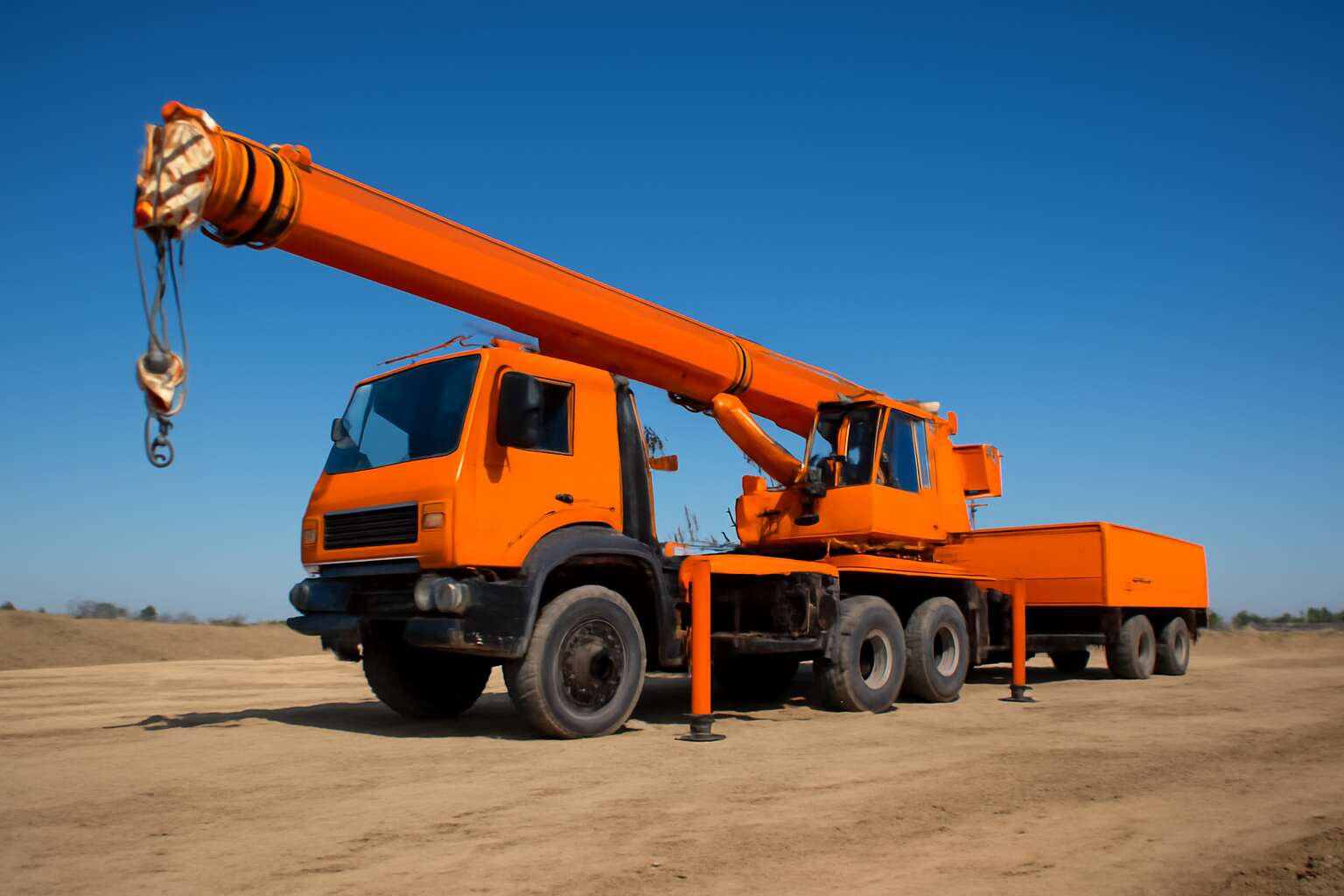
Tripod lifting solutions: components and configurations
Understanding tripod base mechanisms
Across South Africa’s busy logistics lanes, tempo matters more than brute force. Fleets report up to 30% faster lifts when tripod base mechanisms are tuned for the job. The tripod lifting solution anchors efficiency and safety, especially on a tripod truck and trailer where stability is the quiet first act!
Key components anchor the system:
- Base plate with locking mechanism
- Hydraulic lift cylinder and valve
- Leg assemblies with adjustable feet
- Bracing links and safety pins
Configurations vary to conquer terrain and payload.
- Fixed tripod for steady lifts on level surfaces
- Telescoping legs for uneven ground
- Portable modular kits for on-site flexibility
Understanding tripod base mechanisms keeps operations smooth on SA roads, where patience under a steady hold translates to performance and reliability on a tripod truck and trailer.
Types of tripod adapters and linkages
Across South Africa’s logistics corridors, a quiet advantage hides in the rig: the right tripod lifting setup can shave cycle times by nearly a quarter. “When the adapter fits, the rig sings,” a driver told me, and that sentiment echoes on every dusty yard.
I’ve watched crews breathe steady rhythm into a workflow on rough yards, and I know the trick lies in adaptable components and configurations. A stable platform, precise actuation, extendable legs, and smart bracing keep loads calm in heat and wind. Fixed tripod frames, telescoping legs, and portable modular kits let teams tailor performance to terrain and payload.
- Universal clamps and adapters that grip diverse loads
- Telescoping linkage assemblies for uneven ground
- Pivoting joints for variable lift angles
- Quick-release pins and locking collars for rapid setup
All of this comes together on the ground with a tripod truck and trailer, turning patience into steady power on South Africa’s roads.
Load ratings and safety factors
In South Africa’s busy yards, the right tripod truck and trailer can shave lift cycles by nearly a quarter—turning noisy mornings into a quiet, efficient hum. “When the adapter fits, the rig sings,” a driver told me, and the sentiment lands on every dusty lane!
Tripod lifting solutions hinge on credible load ratings and solid safety factors. Expect nominal payloads with built-in margins and a safety factor between 1.5:1 and 3:1 for dynamic lifting—plus regular inspections for wear and bracing accuracy.
- Rated capacities with margin buffers
- Regular inspection and maintenance cadence
- Locking collars and quick-release pins
On the ground, a thoughtful tripod truck and trailer design keeps loads steady in heat and wind, supports uneven terrain, and scales with payload. It’s less about gimmicks and more about a resilient, adaptable platform that earns its keep through reliable performance.
Materials and corrosion resistance
Across South Africa’s sun-scorched yards, a well-tuned tripod truck and trailer can turn clattering mornings into a quiet rhythm of productivity. The right configuration lets legs drop into place with a measured click, adapters seat securely, and the lift sing rather than grind. It is not magic, but discipline: a precise balance of geometry, purpose, and performance that earns its keep in dusty lanes and on hot tarmac.
Materials matter as much as geometry. For the SA environment, galvanised steel, anodised aluminum, and corrosion-resistant alloys resist heat, dust, and coastal winds. Finishes—powder coats, epoxies, and durable enamels—form a shield over every joint, while sealed collars and rust-free pins thwart the creeping tide of grime. When metallurgy and design align, the tripod truck and trailer becomes a steadfast partner through rain, shine, and the occasional gust.
- Tripod base and legs
- Adapters and linkages
- Locking collars and quick-release pins
- Bracing systems for stability
- Protective coatings and seals
Applications and use cases for truck and trailer tripod systems
On-site material handling
Industry observers note efficiency gains of up to 25% in site setup with tripod truck and trailer. Across South Africa’s diverse terrain, these compact stabilizers anchor everything from pallets to portable workstations, turning chaotic yards into orderly stages. In practice, use cases include:
- On-site material handling and staging
- Temporary load stabilization for lifts and transfers
- Mobile workshop setups and secure equipment bays
As a storyteller might say, these systems invite reliability and speed without fuss. They adapt to uneven concrete, dirt floors, or portable platforms, delivering calm amid the bustle of a tight deadline. I’ve seen how quickly teams deploy them on active sites, and the tripod truck and trailer distributes weight to reduce vibrations while protecting finishes.
In the hands of seasoned crews, this gear feels like a trusted compass in the field!
Freight staging and loading docks
Across busy freight staging yards and loading docks, efficiency isn’t a luxury—it’s a deadline. When tripod truck and trailer systems are deployed, sites report efficiency gains of up to 25% in setup. Compact and agile, these stabilizers bite into uneven concrete, dirt floors, or portable platforms, keeping pallets, skids, and portable workstations aligned for swift transfers. The result is steadier lifts, cleaner finishes, and quicker cycle times—calm amid the bustle!
Key applications in practice include:
- Freight staging at warehouses and loading docks to align shipments and stabilize temporary racks
- Temporary load stabilization for lifts and transfers, protecting finishes
- Mobile workshop setups and secure equipment bays that can reposition as workflows shift
For crews on South Africa’s active sites, this setup translates into reliability on the move, turning chaos into controlled, efficient workspaces.
Mobile maintenance and service fleets
Uptime buys time—South Africa’s mobile service fleets report up to 20% faster repairs when tripod truck and trailer setups are on site! Compact, stable legs bite into uneven concrete or dirt, turning chaotic yards into solid work zones for lifts, tool changes, and calibrations. For mobile maintenance teams, this platform means dependable stability wherever a vehicle is stationed, from remote plant sites to customer yards.
Applications and use cases in the field include:
- On-site mobile workshops that reposition as workflows shift
- Temporary lift supports for field repairs and equipment bays
- Rapid setup for emergency breakdowns and routine servicing
Construction and heavy equipment transport
On South African field sites, I’ve seen projects breathe easier when tripod truck and trailer setups anchor the work. Mobilization times shrink by up to 14% once these platforms are on the ground, turning chaotic yards into controlled stages for lifts and alignments!
In construction and heavy equipment transport, the practical forms of use unfold as adaptive workspaces and stabilizing anchors, allowing crews to move with the project rather than chase it. Consider these scenarios:
- Temporary on-ground platforms that reconfigure as workflows shift across a site
- Stabilization points for cranes and heavy lifts on uneven or soft surfaces
- Swift readiness for field maintenance, component swaps, and bay setups at remote yards
Across varied South African environments, the tripod truck and trailer concept turns instability into a predictable rhythm—an honest ally in the logistics of heavy transport and on-site maintenance. I’ve watched crews turn rough seams into reliable working lines.
Design, installation, and integration considerations
Structural considerations for mounting
Design for a tripod truck and trailer demands a quiet reckoning with gravity. Each weld and tube must bear the unexpected, from South Africa’s blazing sun to dusty roads and fast-moving traffic. The aim is a compact silhouette that resists fatigue while allowing swift service and adjustment!
- Weight distribution and load path
- Foundation integrity and corrosion protection
- Material tolerances and fastening clarity
Installation must translate design into a safe, repeatable procedure. Precise alignment, compatible mounting patterns, and durable fasteners matter, as does protection from grit and moisture. For the tripod truck and trailer, professional calibration minimizes misalignment and longevity risks.
Integration with hydraulics, controls, and vehicle electronics requires harmonised interfaces and clear maintenance access. Structural mounting should anticipate service access, future upgrades, and regulatory checks specific to South Africa’s road networks. This is where intention becomes reliability.
Electrical and hydraulic integration
A well-tuned tripod truck and trailer is a quiet negotiation with gravity. On South Africa’s dusty, sun-burnished roads, this design must stay steady under heat, traffic, and long shifts.
Design choices speak through a compact silhouette, a careful weight path, and a foundation that resists corrosion. Each weld and tube bears the load with patience, keeping fatigue at bay across years of service.
I install principles without excess drama: precise alignment, compatible mounting footprints, and robust fasteners. Protection from grit and moisture pairs with ready access for service and calibration.
- Alignment interfaces and footprint matching
- Corrosion-resistant fasteners and protective coatings
- Accessible calibration points for quick checks
Integration means harmonizing electrical and hydraulic systems with the vehicle’s controls. Avoid bespoke fault trees; design interfaces that tolerate vibration and moisture. In SA, maintenance access and regulatory checks shape the lifecycle of this system.
Certification and testing protocols
On SA roadways where heat shimmer meets red dust, the tripod truck and trailer makes a pact with gravity. Design speaks through a quiet silhouette, a measured weight path, and a corrosion-proof foundation that forgives harsh sun and long shifts.
Installation follows a ritual of precise alignment, footprint harmony, and robust fastening. Protective coatings keep grit at bay, while accessible calibration points invite swift service—one quick check, and comfort returns to the cab and the coupler alike.
Integration ties electrical and hydraulic choreography to the vehicle’s controls, tolerant of vibration and moisture. Certification and testing protocols guard the journey from workshop to highway, with milestones in vibration, thermal cycling, leak integrity, and functional validation.
Retrofit and customization options
Across South Africa’s sun-scorched lanes, the tripod truck and trailer embodies a design where gravity meets grace. Its silhouette speaks in quiet lines, a footprint engineered to resist heat and dust, with a corrosion-proof foundation that forgives long shifts. Protective coatings and easy-calibration touchpoints become a practical lore for operations teams.
Installation reads like a ritual of precision: alignment that honors the vehicle’s run, a balanced footprint, and steadfast fastenings that stand up to vibration and moisture. Accessible calibration points invite swift service, so the cab and coupler settle into comfort at first glance!
Integration and retrofit options for the tripod truck and trailer span modular platforms, remote diagnostics, and customizable mountings that suit fleets roaming KwaZulu-Natal to the Karoo. A measured approach keeps the journey audible in the mind, with electrical and hydraulic choreography enduring South Africa’s harsh sun.
Maintenance, safety, and best practices
Inspection schedules and checklists
Uptime is king in South Africa’s heavy transport world, and a sloppy inspection can turn a profitable route into a comedy of delays. For tripod truck and trailer, a clean bill of health starts with smart, proactive care.
Maintenance and safety go hand in hand. Regularly scheduled checks keep the system singing instead of screeching!
- Visual and functional integrity of mounting points
- Stability of hydraulics and connections
- Fair wear across chassis and brackets
- Seal integrity and corrosion indicators
Best practices demand you codify inspection schedules and checklists, and document findings in a simple, shareable format. My approach? keep it human, keep it honest, and keep it road-ready.
Lubrication and wear parts
Uptime rules South Africa’s heavy corridors, and delays cost more than fuel—62% of disruptions trace to neglected joints and seals, a statistic that makes every mile feel like magic. For tripod truck and trailer, maintenance is not a ritual but a safeguard—smart lubrication and vigilant wear-part care keep the system singing long after dawn. When joints hum smoothly, routes stay profitable and safe!
- Lubrication points on tripod legs, pins, and pivots
- Hydraulic connections, seals, and wipers
- Bearings, bushings, and mounting brackets for wear
- Corrosion indicators and seal integrity
We keep records in a simple, shareable format, because transparency is part of safe operation. Our approach for tripod truck and trailer is human, honest, and road-ready—where lubrication rhythms meet wear-part vigilance, and every mile feels almost magical!
Troubleshooting common issues
In South Africa’s inland corridors, a single squeak can signal more than annoyance—it can stall a delivery window. Maintenance on tripod truck and trailer isn’t showmanship; it’s readiness. Smart lubrication and wear-part vigilance keep the spine of the system singing from dawn to dusk, so every mile feels almost magical.
- Unusual resistance or drift when deploying or retracting tripod legs.
- Hydraulic leaks or dampness near seals and wipers.
- Excessive play in pins, bushings, or mounting brackets.
When symptoms appear, operators lean on a qualified technician. Keep traceable records—records are safety, accountability, and uptime baked into every route. Our ongoing commitment to maintenance, safety, and best-practice auditing makes the tripod truck and trailer a road-ready partner across South Africa.
Operator training and safety procedures
“Safety is speed in disguise.” In the rhythm of South Africa’s inland corridors, maintenance becomes momentum. Maintenance, safety, and best practices aren’t mere rituals—they are the spine of the tripod truck and trailer, singing from dawn to dusk through every mile.
Our approach to operator training and safety procedures centers on calm competence and clear communication. For the tripod truck and trailer, continuous competency is a promise made in the workshop and kept on the road.
- Pre-use checks and crew briefings
- Safe distance, signaling, and built-in alarms
- Incident reporting and learning culture
These pillars foster a culture where maintenance is valued as much as cargo; where safety procedures are integrated into daily routines, not bolted on as an afterthought. With traceable records and ongoing auditing, the tripod truck and trailer remains a reliable partner across South Africa.
Documentation and compliance
Safety is speed in disguise. Across South Africa’s inland corridors, maintenance becomes momentum, a quiet cadence that steadies engines and crews alike. Documentation and compliance form the spine of responsible operation, guiding each inspection, checklist, and decision for the tripod truck and trailer.
To keep performance honest and transparent, we cultivate a learning culture through documented practice:
- service histories and maintenance notes
- records of inspections and approvals
- audits, corrective actions, and continuous improvement
With traceable records and ongoing auditing, discipline travels beyond the workshop, ensuring these rigs remain dependable partners across South Africa.




0 Comments