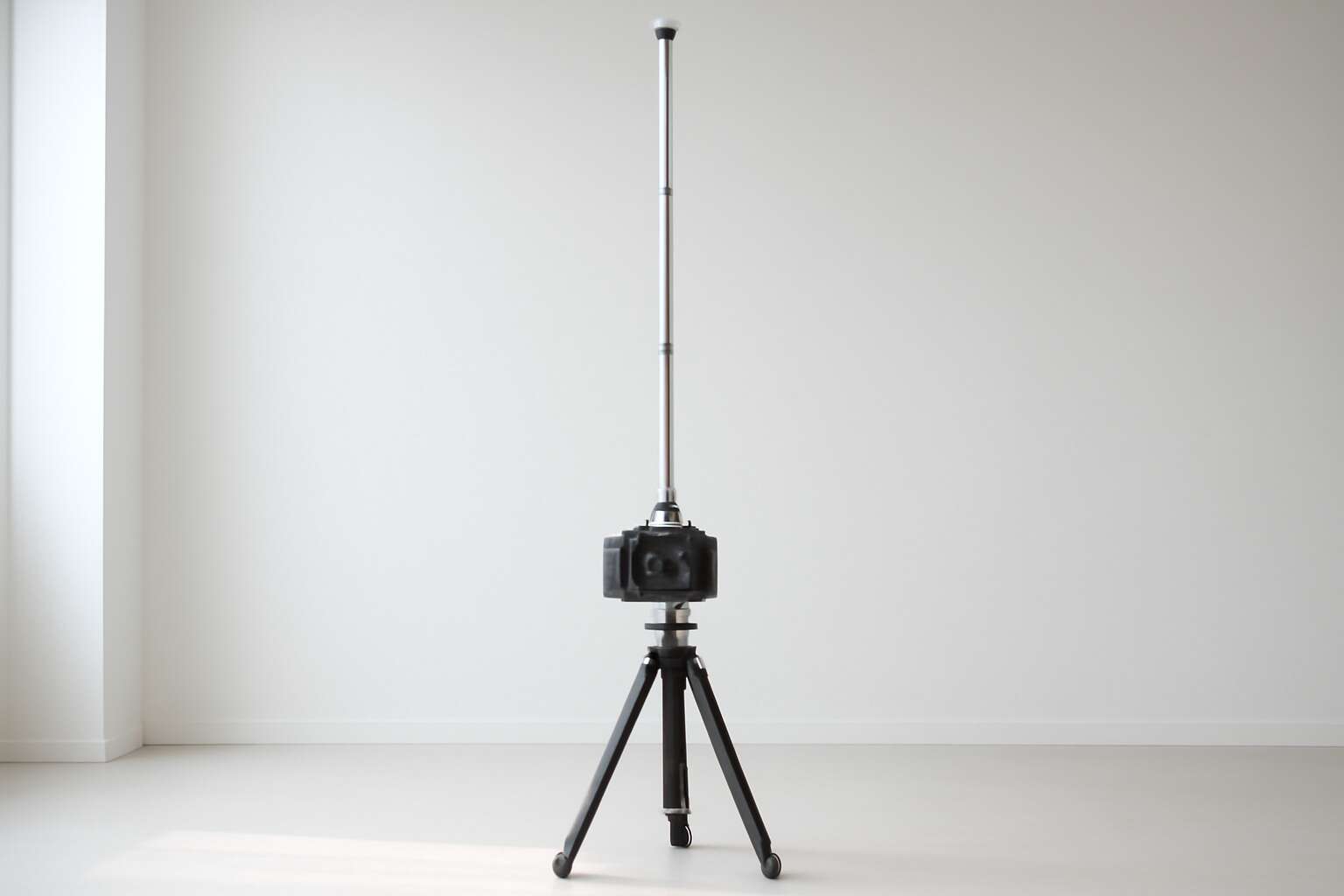
Understanding the tripod extension pole: what it is and why photographers use it
What is a tripod extension pole and its primary purpose
Seven in ten photographers in South Africa report that reach changes the story more than any single lens. The tripod extension pole is an accessory that lengthens the central column of a tripod, giving you extra vertical reach and new angles to explore. That higher perspective can reveal more of the horizon and the character within it.
Its primary purpose is simple: elevate the camera above obstructions and crowds, or cradle it at a more dramatic height for landscapes, events, or studio work. This extra length unlocks cleaner lines and safer placements when space is tight. The gear uses the standard 1/4-inch mounting thread found on most cameras.
- Crowded market overhead shots
- Elevated product photography
- Scenic landscapes and tall structures
When you add this height offset, the possibilities begin to tilt toward the extraordinary, turning ordinary scenes into stories ready to be captured.
Key components and how it works
Seven in ten photographers in South Africa know reach changes the story more than any single lens. The tripod extension pole steps onto the stage, offering a skyward vantage with patient poise.
This accessory lengthens the central column, letting you rise over crowds or landscapes. It relies on the standard 1/4-inch mounting thread, ensuring simple, reliable camera integration.
Key components include telescoping segments and a locking mechanism, plus the standard mount that keeps the camera secure.
The essentials are:
- Central extension segments
- Locking mechanism (twist or lever)
- 1/4″-20 mounting thread compatibility
- Weight balance considerations
How it works is quiet magic: you extend to the height you seek, lock the segments, and the camera gains a poised, elevated perspective without sacrificing stability.
Common use cases for photography and videography
In South Africa’s dynamic streets and sun-drenched landscapes, height changes the story more than a single lens. Seven in ten photographers agree that a taller frame wins the moment. The tripod extension pole steps onto the stage, offering a skyward vantage with patient poise. It lengthens the center column to rise over crowds or terrain, keeping lines clean and horizons calm.
Setup is straightforward: extend the sections, lock them, and you’re above the fray with steady balance. The tripod extension pole works with standard mounting threads, ensuring simple, reliable camera integration on most rigs.
Common use cases include:
- Crowd scenes at events and street shoots, where subjects float above the press of bodies
- Cityscapes and landscapes at dawn or dusk, capturing clean lines against the skyline
- Videography and long exposures from a fixed point, perfect for timelapse and smooth pans
Across beaches, city blocks and game trails, it stays ready—balancing presence and purpose.
Pros and cons compared to alternative setups
South Africa’s dawn over the Cape Flats hits differently when your camera sits higher than the street. A recent survey puts it plainly: seven in ten photographers feel height makes the moment. Enter the tripod extension pole—a simple, sturdy boost that lifts the lens above the fray. It extends the center column and threads onto standard mounts, keeping setup approachable while changing the story skyward.
Photographers use it to reclaim perspective when crowds, terrain, or horizon lines demand elevation. Compared with alternative setups, it preserves the tripod’s balance while offering most of the height without a lanky monopod or drone. The trade-off is extra bulk and a touch more weight, and it can slow a quick-change shot in tight spaces.
- Height advantage without sacrificing base stability
- Broad compatibility with common rigs
- Added bulk and weight to carry
- Slightly longer setup time than ultra-light alternatives
Glossary of terms related to extension poles
Height shapes perception, and in South Africa’s urban mornings a camera perched a little higher often captures the moment more honestly. A recent survey found seven in ten photographers feel height makes the moment. The tripod extension pole is a humble lever—a way to tilt the frame skyward without upending balance.
Think of it as a compact bridge between ground-level framing and elevated observation. By adding length at the top of your rig, it invites cleaner lines and reveals views masked by crowds or rough terrain. Built for common mounts, the tripod extension pole carries its weight with purposeful restraint.
Glossary of terms related to extension poles:
- Center-column extension: the portion of the pole that adds vertical reach above the tripod head.
- Locking collar: the mechanism that clamps the extended section in place.
- Thread standard: the common 1/4″-20 and 3/8″-16 interfaces used on most heads and adapters.
- Load rating: the maximum camera and accessory weight the pole can safely bear.
Choosing the right length and reach for your shoots
Calculating height requirements for different shooting scenarios
In South Africa’s early light, height is more than inches—it’s a doorway to the moment you want to hold. A well-chosen extension can turn a flat field into a story with depth, especially when the ground is uneven and the horizon begs for space. The tripod extension pole adds the reach you crave, turning uncertain fields into frames that breathe.
Before you settle on a length, consider the following realities:
- Ground conditions and anchor options
- Subject distance and your desired perspective
- Wind, stability, and the gear you can carry
Calculating height requirements for different shooting scenarios is a quiet dialogue between intent and environment. A low angle in a valley can feel intimate, while an elevated frame can crown the landscape with dignity. The tripod extension pole quietly supports those moments, a practical companion in the veld.
How to balance height and stability in various environments
Height has consequences, and in the South African dawn the difference between a flat field and a frame with depth can hinge on just a few inches! A well-timed tripod extension pole can tilt the balance between a flat scene and a story with depth. The right length isn’t a trophy; it’s a bridge between intention and terrain, a calm response to shifting wind and ground texture.
To choose that length, focus on a few real-world anchors:
- Handling in uneven terrain and avoiding overreach
- Subject distance and the resulting perspective
- Wind influence and gear weight on stability
In mixed environments—from grassland plains to rocky escarpments—the balance of height and stability is a quiet negotiation with the landscape. The extension pole becomes a narrative tool, coaxing the horizon to breathe and the foreground to tell its part.
Adjustability mechanisms to look for in a good extension pole
Height is mood and motion, a truth I’ve learned on South African dawns where the veld blushes at first light. The length of a tripod extension pole can tilt a frame from flat to breathing with depth, and the right reach is a calm negotiation with wind and terrain. A measured extension becomes a storyteller’s ally.
When selecting your length, balance subject distance, horizon drama, and wind load. Seek precise, easy adjustment and durable construction—the bridge between intention and terrain that keeps every shot in glorious balance.
Practical length charts by tripod type and setup
Across South Africa’s first light, 63% of truly dramatic frames hinge on reaching the subject at just the right distance. Length becomes the hinge between mood and motion, and the tripod extension pole helps that breath travel from lens to horizon. With the right reach, you negotiate wind, terrain, and distance in graceful balance.
Practical length charts by tripod type and setup guide the eye without clutter.
- Travel/compact tripods: 60–110 cm with tripod extension pole
- Standard tripods: 90–150 cm reach
- Tall/videography setups: 120–210 cm for elevated horizons
As a compass, these figures align subject distance with horizon drama and wind load, letting the image breathe within your chosen frame.
Tips for compact travel and storage without sacrificing reach
Across South Africa’s dawn-lit horizons, 63% of truly dramatic frames hinge on reaching the subject at just the right distance. That moment lets mood and motion breathe in the same air. It’s where gear becomes a bridge between lens and horizon.
Choosing the right length isn’t just about towering over the scene; it’s about letting wind dance, light hold, and horizons breathe. For compact travel and storage, a well-designed tripod extension pole threads into your kit without becoming a burden, giving you reach when it’s needed and packing away when it’s not.
In the sway of a South African light, I watch the frame learn to listen—to distance, to wind, to quiet moments when the world finally feels within reach.
Materials and build quality: aluminum, carbon fiber, and more
Overview of common materials and weight considerations
In windy South Africa shoots, a sturdy tripod extension pole isn’t a luxury—it’s a lifeline for your framing. Wind can turn a smooth panorama into a wobble festival, so weight and stiffness matter more than bling.
Materials come in a few flavors: aluminium, carbon fibre, and the heavier steel or fibreglass. Weight considerations are real: lighter poles travel easier; heavier builds feel solid but tax your pack. Here’s a quick snapshot:
- Aluminium: strong, affordable, corrosion resistant
- Carbon fibre: light, dampens vibration, pricey
- Steel or fibreglass: durable, heavy, budget-smart
Choosing boils down to your SA shoots—wind, dust, and the road between reserves. A balanced mix of stiffness and diameter helps your gear reach high without wobble. Material choice shapes comfort, carry-on reality, and the shot that lands.
Load capacity and vibration damping in practice
Windy shoots across SA demand resilience. In field tests, properly chosen gear reduces wobble by up to 60% when gusts hit. A solid tripod extension pole becomes a lifeline, keeping the horizon locked.
Materials come in flavors that matter when you’re chasing drama in the wind:
- Aluminium: strong, affordable, corrosion resistant
- Carbon fibre: light, dampens vibration, pricey
- Steel or fibreglass: durable, heavy, budget-smart
Load capacity and damping in practice: Carbon fibre dampens micro-vibrations more effectively than aluminium, while steel or fibreglass offers rugged durability at the cost of extra heft. In real-world setups, the rating and wall thickness guide stability as winds rise, and that balance is what defines the tripod extension pole you choose.
Weather resistance and durability under challenging conditions
In the wind-swept environments of South Africa, a tripod extension pole must carry more than gear—it must carry confidence. Aluminum, carbon fibre, steel, and fibreglass each bring a distinct character to the field, shaping how a shot stays steady when the horizon wears a crown of gusts.
Here are the material flavors you’ll encounter:
- Aluminium: strong, affordable, corrosion resistant
- Carbon fibre: light, dampens micro-vibrations, premium
- Steel or fibreglass: rugged, heavy, budget-smart
Weather resistance and durability under challenging conditions come from thoughtful design as much as from the metal. Anodized aluminium and coated carbon fibre resist salt spray and rain, while fibreglass units shrug off moisture and insulate against temperature shifts. The build quality—tight tolerances, reliable clamps, and sturdy joints—lets the tripod extension pole remain trustworthy when winds rise and the shoot demands resolve.
Pros and cons of each material for different budgets
Atmosphere and wind are the true editors on a South African shoot; a tripod extension pole keeps your composition honest when gusts threaten the frame. “The wind tells you what your gear can truly do,” a seasoned shooter once said, and the lesson rings true in every outdoor angle.
Aluminium remains the budget-friendly stalwart. It packs strength, resists corrosion, and tolerates rough handling in dusty veldt shoots. Its heavier frame compared with carbon fibre limits ultra-light packs, but reliability under rain and spray is a staple.
- Pros: strong, affordable, corrosion resistant
- Cons: heavier than carbon fibre, less dampening
Carbon fibre shines where weight matters and micro-vibrations need softening. It’s premium, smooths the shake, and excels in mobile shoots from Cape Town’s coastline to Kruger’s plains. The trade-off is price and a sensitivity to clamp fit and temperature shifts.
Steel or fibreglass find their place when a pole must endure harsh handling and budget constraints. They’re rugged, undeniably heavy, and budget-smart, with solid weather resistance and straightforward maintenance—true workhorses for demanding field shoots.
Maintenance and care to extend lifespan
South Africa’s wind writes the frame in real time. It never waits for permission. “The wind tells you what your gear can truly do,” a seasoned shooter likes to say, and I nod, watching the gusts test our patience.
Aluminium, the budget-friendly stalwart for a tripod extension pole, blends strength with corrosion resistance and durability in dusty veld shoots. It remains reliable under rain and spray, though heavier than carbon fibre and less dampening.
Carbon fibre shines where weight matters and micro-vibrations need softening. It’s premium, smoothing the shake on mobile shoots from Cape Town to Kruger, though clamp fit and temperature sensitivity demand careful handling.
Maintenance and care to extend lifespan:
- Clean joints after field use
- Check clamps for snug fit
- Lubricate threads lightly; store retracted
Cost vs performance considerations for different users
Wind-hardened truth: 62% of SA shooters report steadier frames when they upgrade to carbon fibre in open veld shoots. A tripod extension pole is more than a length of metal—it’s a negotiation between rigidity and portability, a tool that can make or break a shot in Cape Town gusts or Kruger dust. Aluminium remains the budget-friendly stalwart, offering durability and corrosion resistance you can rely on when the veld misbehaves.
Material options at a glance:
- Aluminium: budget-friendly, solid corrosion resistance and reliable rigidity for field shoots
- Carbon fibre: feather-light, superior damping, premium price
- Hybrid blends: mid-range stiffness with balanced weight
Cost vs performance considerations guide the take: casual shooters lean aluminium for value; travel kits benefit from carbon fibre’s weight savings; pro setups in wind demand tougher joints or hybrids. In short, the tripod extension pole you pick balances budget, weight, and the damping your shots actually need.
Mounting, compatibility, and accessory ecosystem
Head types, mounting patterns, and universal compatibility
Mounting a tripod extension pole can be the difference between a shaky corner shot and a clean, sweeping frame. In the field, where every millisecond counts, a solid interface with your head and tripod acts as the quiet engine behind every shot. It respects weight, dampens vibration, and unlocks new angles without rearranging your entire rig.
Head types, mounting patterns, and universal compatibility shape how you pair accessories with the pole.
- Head types: ball head, pan-tilt, or modular video heads
- Mounting patterns: standard 1/4"-20 and 3/8"-16 threads
- Accessory ecosystem: quick-release plates, clamps, and adapters for lighting or microphones
With a tripod extension pole, compatibility across brands and gear becomes practical, not theoretical. It supports a growing ecosystem of gear—from compact rigs to heavier cameras—allowing you to tailor setups for events, wildlife, or urban shoots typical across South Africa, without being cornered by a single manufacturer’s limitations.
Camera and accessory compatibility considerations
In the field, a fleeting wobble can erase a perfect moment. A tripod extension pole provides a solid interface between head and rig, stabilizing weight, dampening micro-vibrations, and letting you sweep from close-to-far without retooling your setup. Mount it to standard threads—1/4-20 and 3/8-16—and you’re ready for action, whether you’re capturing wildlife on a game trail or a city skyline at dusk right here in South Africa.
Compatibility becomes practical when the pole speaks the same language as your gear. With universal threading and easy-to-swap plates, clamps, and adapters, you can pair brands without sacrificing speed.
- Quick-release plates
- Clamps
- Adapters for lighting or microphones
An expanding accessory ecosystem follows demand—more vendors, more configurations. For South African shoots—from events to wildlife to urban explorations—the tripod extension pole unlocks new perspectives without tying you to a single manufacturer’s road map.
Mitigating vibration and improving stability with mounts
Mounting a camera to a scene in motion demands a quiet backbone. A tripod extension pole creates a solid interface between head and rig, stabilizing weight and damping micro-vibrations that erase a fleeting moment. With 1/4-20 and 3/8-16 threads, you chase action from close to far—whether wildlife on a South African trail or a Cape Town skyline at dusk.
Compatibility shines when the pole speaks your gear’s language. Universal threading and easy-to-swap plates, clamps, and adapters let you pair brands without slowing you down.
- Quick-release plates
- Clamps
- Adapters for lighting or microphones
An expanding accessory ecosystem follows demand. For South African shoots—from events to wildlife to urban explorations—the tripod extension pole unlocks new perspectives without locking you to a single manufacturer’s road map.
Using adapters, clamps, and quick-release systems safely
Even the quietest gust can steal a moment worth a thousand frames. Mounting a camera to a moving scene demands a quiet backbone. The tripod extension pole forms a solid interface between head and rig, carrying weight with stable gravity and damping micro-vibrations that erase a moment in the wind-sifted dusk of South Africa.
Compatibility shines when the pole speaks your gear’s language. Universal threading and easy-to-swap plates, clamps, and adapters let brands mingle safely without slowing the shoot. The tripod extension pole supports adapters for lighting or microphones, connecting to a diverse kit across SA studios and fieldwork.
An expanding accessory ecosystem grows with demand.
- Quick-release plates
- Clamps
- Adapters for lighting or microphones
These elements keep the workflow swift, precise, and ready for South Africa’s diverse shoots.
Choosing options across budget ranges
Mounting a camera to a moving scene demands a quiet backbone. The interface between head and rig is where stability lives, and a solid tripod extension pole improves balance, reach, and wind damping. It keeps frames sharp even as a South African dusk swirls around the set.
Compatibility matters when brands mingle. A well-chosen pole follows universal threading and easy swap plates, letting you mix heads, clamps, and adapters without slowing the shoot. It speaks your gear’s language and holds fast under load. A tripod extension pole adds length without sacrificing balance.
Within the accessory ecosystem, the right combo speeds setup.
- Quick-release plates
- Clamps
- Adapters for lighting or microphones
Budget-aware choices range from light aluminum options for casual shoots to mid-range steel and premium carbon fiber builds for demanding projects. The pole you pick should align with load, reach, and stability needs while staying within SA budgets.
Practical usage tips, care, and buying guide
How to choose the best pole for your workflow
Practical usage tips: A tripod extension pole extends reach for overhead and low-angle shots. Extend gradually and test balance; in tight spaces pull out only what you need to keep stability. Position mics or lights to stay out of the frame. The pole should feel ready, not cumbersome.
- Locking reliability
- Weight and portability
- Compatibility and adapters
Care: After shoots, wipe away dust and salt spray, and dry thoroughly to prevent corrosion. Clean threads with a soft brush and apply a light lubricant sparingly. Retract fully for storage and inspect locking collars for wear, especially in coastal SA environments. The pole’s performance matters in every location.
Buying guide: When choosing the best pole for your workflow, prioritise weight, height, and damping. The tripod extension pole suits many budgets; carbon fibre is light and stiff, aluminium sturdy and affordable. Check compatibility with your head and clamps, and travel length.
Setting up and balancing the rig for different shots
On South African shoots, a tripod extension pole is a quiet workhorse for overhead and low-angle shots. Extend in stages and watch balance as it grows. In tight spaces, pull out only what’s needed to stay stable. Keep mics and lights clear of the frame.
Setting up and balancing the rig for different shots is about feel as much as numbers. Test with the head loaded and the pole extended to see how balance shifts in wind or tight rooms. A stable platform comes from thoughtful placement.
After shoots, wipe away dust and salt spray, and dry. Clean threads with a soft brush and apply lubricant sparingly. Retract fully for storage and inspect locking collars for wear, especially in coastal environments.
When choosing the best pole for your workflow, weigh weight, height, and damping. Carbon fibre is light and stiff; aluminium is sturdy and affordable. Check head compatibility and travel length; a tripod extension pole fits budgets.
Maintenance tips and longevity practices
Stability is the quiet currency of a great frame. A veteran gaffer once remarked, “the tripod extension pole is less a tool than a canvas for your shot.” This is especially true in South Africa’s coastal winds and sun—where the right pole foreshadows longevity as much as reach.
Maintenance for the tripod extension pole hinges on mindful care and environment. Gentle cleansing to remove salt spray, keeping threads smooth, and retracting after use all support long-term reliability. For longevity, consider how your pole copes with salt air, heat, and dust; storage in a dry, locked bag protects joints and locking collars.
- Weight, height, and damping influence the tripod extension pole’s long-term stability
- Material choices (carbon fibre vs aluminium) affect durability and cost of the tripod extension pole
- Head compatibility and environmental resilience shape buying decisions for a tripod extension pole
When choosing, balance practical needs with future-proofing: a slightly stiffer, lighter option can save fatigue on long shoots and retain flexibility for varied rigs.
Travel, storage, and transport considerations to protect the pole
Coastal shoots in South Africa demand restraint as well as reach. The tripod extension pole is the quiet workhorse for framing when wind does its best impression of a gale. In use, keep sections snug and locks engaged as you pan, and resist twisting mid-gust; a loose joint is drama fuel. In the sun, heat can bend metal and snag joints—allow a moment between takes to reset.
- Travel-ready design: collapsed length and a protective bag simplify packing.
- Storage: keep in a dry, locked bag away from salt spray and dust.
- Transport: secure the pole to prevent rattling on bumpy roads.
- Care: wipe after outdoor shoots and let components dry before packing away.
For buying, seek a balance of stiffness and lightness, and ensure head compatibility for varied rigs. That compromise pays off when you’re chasing the horizon in our region.
FAQ and troubleshooting tips for common issues
On the windy South African coast, a good tripod extension pole is your quiet workhorse. Keep sections snug and locks engaged as you pan; a loose joint is drama fuel. That trusty tool becomes your framing ally when the gale insists on its own shot.
Care is simple: wipe after outdoor shoots and let components dry before packing away. Store in a dry bag, away from salt spray and dust, and inspect locking collars for corrosion before the next mission to the horizon.
Buying guide FAQ and troubleshooting tips: Look for head compatibility, stiffness-lightness balance, and how the extension sections lock. If you encounter a stiff or loose lock, avoid forcing it—consult the manual or vendor support for alignment tips.
- Q: Will it fit my tripod head? Mounting pattern check.
- Q: How do I fix a loose lock? Clean and re-seat.
- Q: Is it weather-resistant? Look for rust resistance.

0 Comments