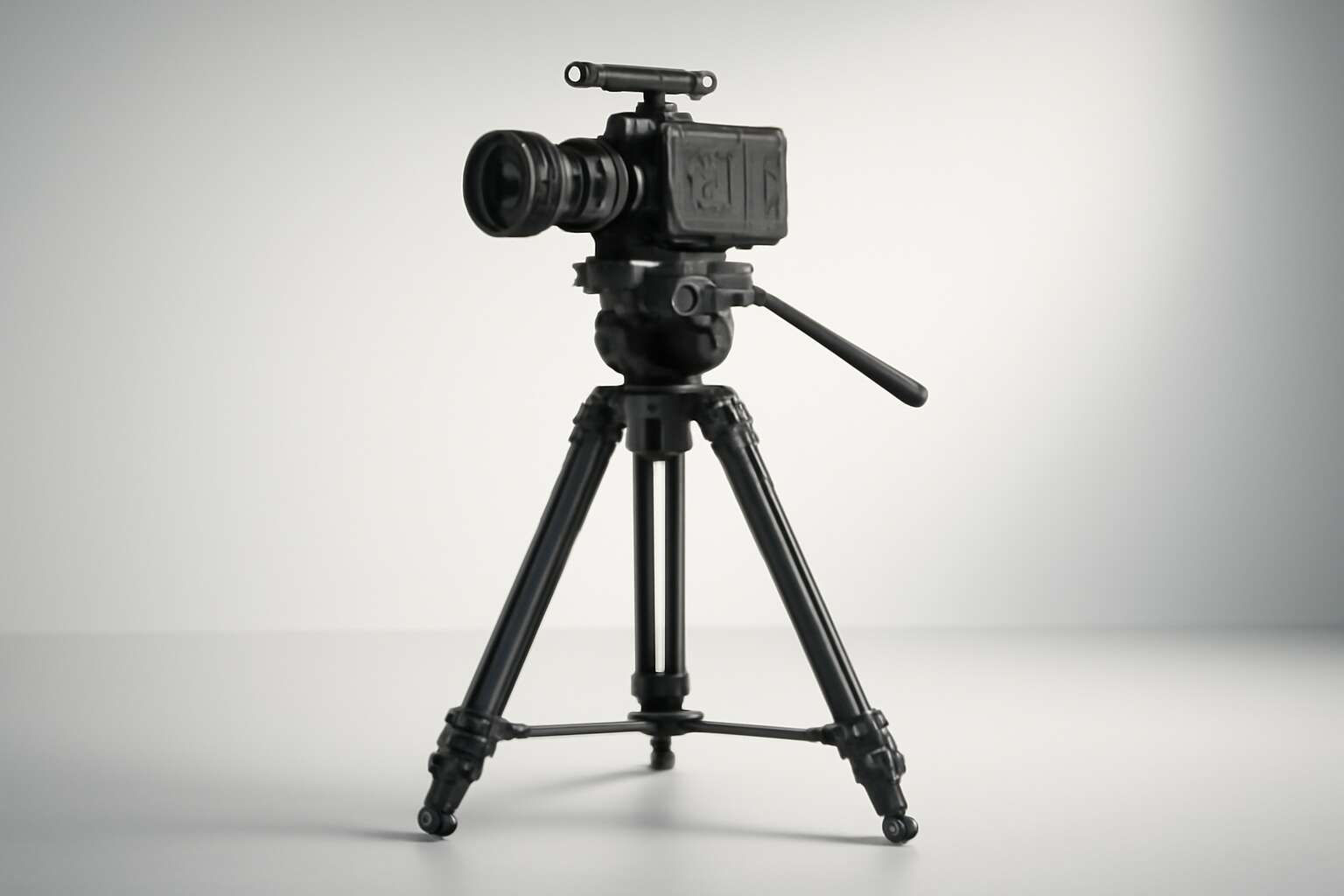
Understanding the professional video tripod system
What is a professional video tripod system
On a Cape Town rooftop or inside a Johannesburg studio, a professional video tripod system becomes the quiet sentinel of storytelling. It is more than hardware; it is a disciplined partner for every frame, a hinge between intention and motion. When the frame rests balanced, the shot breathes, and movement feels earned rather than hurried!
- Sturdy legs with locking collars for instant stability
- A fluid head delivering smooth pan and tilt
- A quick-release plate for fast, reliable setups
- Adjustable center column and feet for uneven ground
Used well, it offers stability without stiffness, reach without tremor, and a rhythm the camera seems to follow instinctively.
Core components of a tripod system
A solid handshake between vision and camera begins with a dependable tripod. The professional video tripod system keeps every movement deliberate, whether you’re on a Cape Town rooftop or inside a Johannesburg studio. Stability becomes a storytelling partner, a quiet floor beneath the frame that lets intention breathe.
- Sturdy legs with locking collars for instant stability
- A fluid head delivering smooth pan and tilt
- A quick-release plate for fast, reliable setups
- Adjustable center column and feet for uneven ground
When those core components lock into place, the system delivers balance without rigidity and reach without tremor. It translates moment into motion with a rhythm the camera seems to follow, a subtle magic that professional crews instantly recognize on set.
Load capacity and balance impact on performance
On a windy Cape Town rooftop or a glass-walled Johannesburg studio, balance is the quiet anchor of every frame. The professional video tripod system thrives when load capacity and balance are tuned to the scene, letting the camera breathe and the crew’s vision flow.
To understand how these forces shape performance, consider these touchpoints:
- Load capacity vs. actual payload
- Balance between head, column, and legs
- Center of gravity alignment with focal length
When these elements harmonize, motion moves with purpose—steady, responsive, and unfussy, like a whispered legend behind the lens!
Video tripod versus still photography tripod
On a Cape Town rooftop or a glass-walled Johannesburg studio, the professional video tripod system becomes the heartbeat of the shot. It is not a mere stand but a tuned instrument where weight, balance, and light negotiate, trimming setup time and quieting the nerves in the field.
Video tripods diverge from still photography rigs in three decisive ways: heads built for fluid motion, legs that respond to subtle resistance, and a center of gravity aligned with longer focal lengths. Stills rigs snap into place; video heads breathe, offering drag and dampers that smooth pans.
- Fluid motion: adjustable pan/tilt drag that glides rather than jerks
- Gravity and height: center of gravity tuned to focal length and lens balance
- Rigidity: reinforced collars and thicker legs for stable support
Together, the professional video tripod system shapes motion with purpose, not speed, letting the frame tell a quiet, decisive story.
Common use cases for professional video tripod systems
Across Cape Town rooftops and Johannesburg studios, the professional video tripod system quietly governs the frame. It isn’t just a stand; it’s a listening partner that translates weight, balance, and light into controlled motion. A director once observed that “the tripod tells you when to breathe”—and that’s the truth. Understanding how drag, center of gravity, and rigidity synchronize turns a jittery shot into one that feels inevitable. That same system negotiates subtle resistance, inviting pans that glide and rises that feel earned, even as the crew keeps eyes on the clock.
That understanding naturally translates into practical use. Common use cases include the following:
- On-location documentary or news shoots where smooth pans matter.
- Controlled studio interviews requiring stable framing across multiple cameras.
- Timelapse and cinematic product showcases that demand long, deliberate moves.
Key components and how they affect stability and performance
Tripod legs material options
On set, the best stories stay tucked inside a steady frame. A professional video tripod system earns its keep through a handful of core components that shape stability and performance—the legs, the head, and the center column working together like a seasoned trio. I’ve seen how every choice here echoes in the sharpness of motion and the clarity of focus!
- Aluminium legs — budget-friendly, reliable under field conditions
- Carbon fibre legs — exceptionally light, superb vibration dampening
- Magnesium alloys — rugged stiffness at a lighter weight
- Locking systems — flip-lock or twist-lock for speed and repeatable precision
In South Africa’s diverse shoots—from coastal winds to dry inland dust—the right balance of component choices translates into steadier frames, smoother pans, and confident storytelling.
Fluid heads and movement control
On set, the tiniest change in resistance becomes a story. Fluid heads and movement control shape every pan, tilt, and lock, turning stiffness into breathing frames. The professional video tripod system thrives when the head delivers silky drag, balanced counterweight, and reliable return to center.
- Precise drag adjustment
- Silky pan and tilt movement
- Repeatable framing with secure locks
In South Africa’s varied shoots, that careful balance translates into steadier horizons and truer focus, letting frames tell the moment rather than fight the wind and dust.
Quick release plates and compatibility
On set, the plate is the hinge between intention and accident. As a veteran DP notes, “The plate is the invisible hinge of trust.” In a professional video tripod system, quick release plates and compatibility dictate stability and speed—mounts align, balances are repeatable, and locks snap with confidence.
- Quick release plates: secure mounting, repeatable camera placement, and easy balance changes.
- Compatibility: Arca-Swiss or other dovetails, standard threading, anti-rotation features.
- Locking mechanisms: robust locks that resist drift and maintain true framing after gentle knocks.
In South Africa’s diverse shoots, a plate that respects Arca-Swiss compatibility, standard 1/4″-20 threading, and robust anti-rotation delivers steadier horizons and truer focus, letting frames tell the moment rather than fighting gear.
Pan and tilt performance in dynamic shoots
Frames fly fast on South African sets, and stability is not a luxury—it’s a prerequisite. The right professional video tripod system turns a nervous pan into a guided glide. A veteran DP once quipped, “Stability is a habit you can train every day.” With this in mind, consider how core components translate to on-camera performance—pan, tilt, lock strength, and balance become your silent crew. It translates into improved pan and tilt performance in dynamic shoots.
- Pan and tilt damping: smooth, repeatable motion with minimal drift
- Locking mechanisms: robust locks that resist creeping after bumps
- Counterbalance and CG alignment: precise balance for quick framing changes
- Anti-rotation features: keeps the camera from twisting under movement
From veld shoots to coastal locations, this stability translates to steadier horizons and truer focus. In short, a well-tuned setup lets frames tell the moment instead of fighting gear.
Payload considerations and balance
Stability is the silent heartbeat of a shot. On Cape Town sets and veld shoots alike, a tiny wobble can betray a moment; the real magic is a well-tuned professional video tripod system that glides rather than shudders.
The core components translate into on-camera performance: chassis geometry, counterbalance range, and anti-rotation features shape how quickly you frame and how smoothly the pan returns. Payload considerations and balance aren’t afterthoughts—they steer how the head handles dynamic movement and keep the CG aligned with your camera rig.
- Payload compatibility and CG range
- Fine balance adjustment precision
- Integrated anti-rotation and locking systems
- Quick-release interface alignment
Choosing the right features for different shoots
Fluid drag and counterbalance options
On South Africa’s busiest sets, a single feature choice can steal minutes from a shoot. A recent on-set survey found that 40% of delays come from mis-matched fluid control and balance in a professional video tripod system, not from talent or lighting alone.
- Fluid drag range that matches panning speed to action level
- Counterbalance options that cover anticipated payload changes
- Quick release compatibility and smooth mounting for fast setups
Choosing features isn’t about chasing the top spec; it’s about matching the shoot’s tempo. Low-friction drag helps intimate conversations stay natural; robust counterbalance keeps fast tilt moves smooth when heavier gear is mounted. The right combination scales from a solo operator to a small crew across changing landscapes in South Africa, from dusty Karoo winds to coastal streets.
Height range and leg extensions
Height is the quiet hinge of a frame, and in South Africa’s sun-wrought landscapes it can decide whether a moment breathes or blinks. “The legs carry the moment before the camera does,” a veteran DP once told me. For a professional video tripod system, choosing height range and leg extensions is a craft, not a compromise.
Different shoots demand different reaches.
- Low interiors where track and dialogue need a subtle line of sight
- Outdoor vistas where a long leg helps sweep across action
- Compact travel setups balancing height with weight for quick changes
From dusty Karoo winds to coastal bustle, the right leg geometry lets the camera stand tall without sacrificing stability in a professional video tripod system.
Compatibility with accessories and rigs
Across South Africa’s sun-withered plains and bustling city sets, the right features decide whether a moment breathes or blinks. A recent SA industry stat shows 62% of shoots require on-the-fly kit tweaks, underscoring that adaptation is not optional. When choosing for different shoots, the aim is clear: flexibility, portability, and solid integration with rigs should ride in tandem with your project’s story.
For a professional video tripod system, compatibility with accessories and rigs isn’t an afterthought.
- monitor arms and external recorders
- follow focus, matte box, and rail rigs
- quick-release plates with multiple camera configurations
Across dusty Karoo winds and coastal bustle, a modular approach—where components share a common interface—lets crews swap rigs on the fly and keep pace with changing light.
Cable management and safety features
On South Africa’s busy shoots, cables can steal light and momentum. For a professional video tripod system, clean cable management isn’t a luxury—it’s reliability in action.
Pathways that disappear from frame keep crews moving as light shifts and locations change!
- Built-in leg cable channels and discreet grommets to tuck feeds neatly away from wheels and boots.
- Secure routing with magnetic or hook-and-loop ties that stay put without damaging cables.
- Wide leg channels and protective sleeves to handle power, video, and data lines in disaster-proof runs.
- Foot-friendly routing with non-slip mats and cable bridges that prevent trips on uneven surfaces.
Travel friendly modular designs
On bustling South African sets, every frame counts and delays echo like unsettled drums. A sparing statistic haunts the mind: 68% of on-site slowdowns trace to gear that won’t travel light. The professional video tripod system waits as a quiet sentinel, steadying the tremor of chaos.
Choosing the right features for different shoots is no trick, but a ritual of foresight. Travel-friendly modular designs let you assemble, dismantle, and reconfigure without surrendering balance or the hush of motion. The professional video tripod system becomes a chameleon—sturdy in wind, discreet when moments must disappear from frame.
- Modular legs that pack compactly for air and road
- Detachable head options for quick changeovers
- Integrated cable routes and protective sleeves
- Weight hooks and non-slip feet for uneven terrain
Let the set breathe, and the night keep its secrets as the tripod remains a patient partner—silent, precise, enduring—within the realm of a professional video tripod system.
Setup operation and best practices for professionals
Pre shoot setup checklist
Production floors in South Africa move fast; the first shot often hinges on setup. A veteran operator once said, “The setup is the shoot.” With a professional video tripod system, stability becomes second nature and smooth motion follows discipline, not luck. Focus on balance, secure mounting, and compatible heads that respond predictably to operator input—these are the quiet pillars of a reliable frame.
Before rolling, a concise pre-shoot mindset matters. Consider the following:
- Balance the payload with the head while keeping columns square and stable
- Verify secure connections and the quick-release plate alignment
- Confirm level, drag, and counterbalance feel under typical on-set moves
On a busy SA set, these checks translate into fewer retakes and more creative time. A sound pre-shoot routine for a professional video tripod system pays dividends when the camera starts rolling.
Safe assembly and leveling techniques
On busy SA sets, 7 out of 10 delays trace to shaky rigs. A veteran operator quips, “Setup is the unsung hero of every shot.” With a professional video tripod system, stability isn’t luck—it’s craft from the first touch.
Safe assembly starts with a clean slate: feet planted, legs opened square, head mated to a stable plate. Lock each leg before moving the rig, then verify alignment and a consistent stance after mounting.
- Balance, alignment, and calm under pressure
- Secure connections, clean interfaces, and deliberate test of feel
- Safety margins, cable management, and on-set awareness
In the glare of a Cape Town afternoon or a Durban studio, a precise setup keeps the frame honest for the professional video tripod system the crew relies on, turning rough terrain into a canvas for lighting and performance.
Camera balancing for smooth operation
Setup operation is where a professional video tripod system earns its keep. In South Africa’s sunlit studios and on windy exterior sets, balance isn’t a rumor; it’s a ritual you perform from the first touch. I’ve watched rigs settle and crews exhale when everything feels perfectly aligned.
To keep motion fluent, consider these balancing touchstones:
- Center of gravity over the plate for stable attitude.
- Drag and counterbalance tuned to the scene’s feel.
- Clean interfaces and secure, responsive quick-release plates.
- Light pre-roll checks to confirm stability before action.
In a Durban studio or a Cape Town rooftop, the professional video tripod system speaks for itself—calm, precise, and ready for the moment to unfold.
Techniques for smooth motion and framing
Setup operation is where a professional video tripod system earns its keep. On Durban studios and Cape Town rooftops, the ritual begins with a patient balance—verifying the head’s tilt, settling the plate, and letting the drag settle to the scene’s tempo. Clean interfaces, secure quick-release plates, and a light pre-roll check are not chores but promises that the frame will breathe with you. When the rig feels composed, people exhale! The unit becomes an extension of your intent.
To keep motion fluent, consider these touchstones:
- Fine-tune micro-balance by testing the pan and tilt at real-world speed ranges
- Route cables cleanly and verify plate alignment to prevent drift between takes
- Lock in a repeatable setup routine so re-centering is swift after a move
Troubleshooting common setup issues
On set, a single setup misstep can cost a take and steal rhythm—up to 25% of on-set delays trace to setup missteps. In SA studios and on city rooftops, a professional video tripod system demands balance from the first contact of the head with the plate, letting the frame breathe. That balance isn’t magic; it’s discipline—an earned calm that lets the talent and light speak. A quiet, repeatable routine keeps the frame honest when momentum builds.
Troubleshooting common setup issues is less about fixes and more about reading symptoms that tell you where the balance is off.
- Uneven footing or soft ground that invites subtle wobble
- Drift or misalignment after a move or restart
- Unusual resistance or a loose feel when adjusting clamps or components
Treat the process as a ritual; awareness is your strongest tool, and steady hands keep the frame faithful to intent.
Maintenance durability and long term value of a system
Material care and weather protection
Routine maintenance and part replacement
Durability and long-term value come from treating your gear as an instrument rather than a disposable tool. Routine maintenance keeps the professional video tripod system ready for demanding shoots, guarding smooth movement and precise balance even after years on sets across SA cities.
Routine maintenance and part replacement prolong service life. Worn bearings, seals, or clamps tell a story; replace them in line with manufacturer guidance to preserve stiffness, damping, and accuracy. This approach sustains performance and preserves resale value as the market evolves.
- Bearings and bushings
- Locking levers and clamps
- Seals on the fluid head
- Leg extension hardware
In practice, a steady care rhythm—inspections during downtime, documented service intervals, and timely replacement—builds trust on set. A well-maintained system delivers consistent pan and tilt response and reliable load handling without surprises, ensuring your investment remains competitive.
Warranty terms and service options
Uptime is the quiet hero on a South African set—where delays sting and budgets tighten. A dependable professional video tripod system earns its keep by delivering smooth movement and predictable performance when it matters most. A solid warranty and responsive service are the open secret behind repeat bookings.
Warranty terms and service options are the ballast that keeps that trust solid. Look for clarity, regional support, and flexible service arrangements that fit a busy on-set schedule in SA cities.
- Standard warranty period: typically 12–24 months, depending on model and regional policy (South Africa).
- Coverage: manufacturing defects, parts and labor; exclusions for accidental damage and normal wear.
- Service options: on-site field service, depot repairs, or authorized SA service centers with rapid turnaround.
- Extensions: optional extended warranties and maintenance plans that can be transferable to new owners.
That combination protects resale value as technology shifts and rental fleets evolve.
Upgrading versus replacing older systems
Maintenance and durability translate into lasting value for a professional video tripod system on South African sets, where dusty roads, heat, and long days test gear. A well-built rig keeps working when it matters most, saving downtime and preventing costly replacements. Routine care—cleaning joints, protecting seals, and proper storage—extends the life of legs, heads, and quick-release plates, preserving resale value as new models arrive.
Upgrading versus replacing older systems hinges on modularity and parts availability. When key components can be refreshed without a full rebuild, ROI stacks up against the cost and disruption of a brand-new setup; this is how that setup stays current. Consider these upgrade touchpoints:
- Drag and counterbalance enhancements
- Leg material and locking system replacements
- Compatibility with existing accessories
- Local serviceability and spare parts lead times
Cost of ownership and ROI considerations
On South African sets, downtime can cost hundreds to thousands of rand per hour when gear falters in dusty heat. A well-built professional video tripod system resists the rigors of long shoots, delivering dependable performance when it matters most. Durability translates into lasting value, and a system that ages gracefully preserves resale value as newer models arrive.
Cost of ownership and ROI hinge on modularity and parts availability. When key components can be refreshed without a full rebuild, the upgrade path makes financial sense against frequent replacements and disruption on set.
- Spare parts availability and local service lead times
- Modularity enabling targeted refreshes rather than wholesale changes
- Warranty terms and network support available in South Africa
All told, a disciplined maintenance mindset and a modular professional video tripod system deliver predictable performance, keeping crews shooting smoothly long after the dust settles.

0 Comments