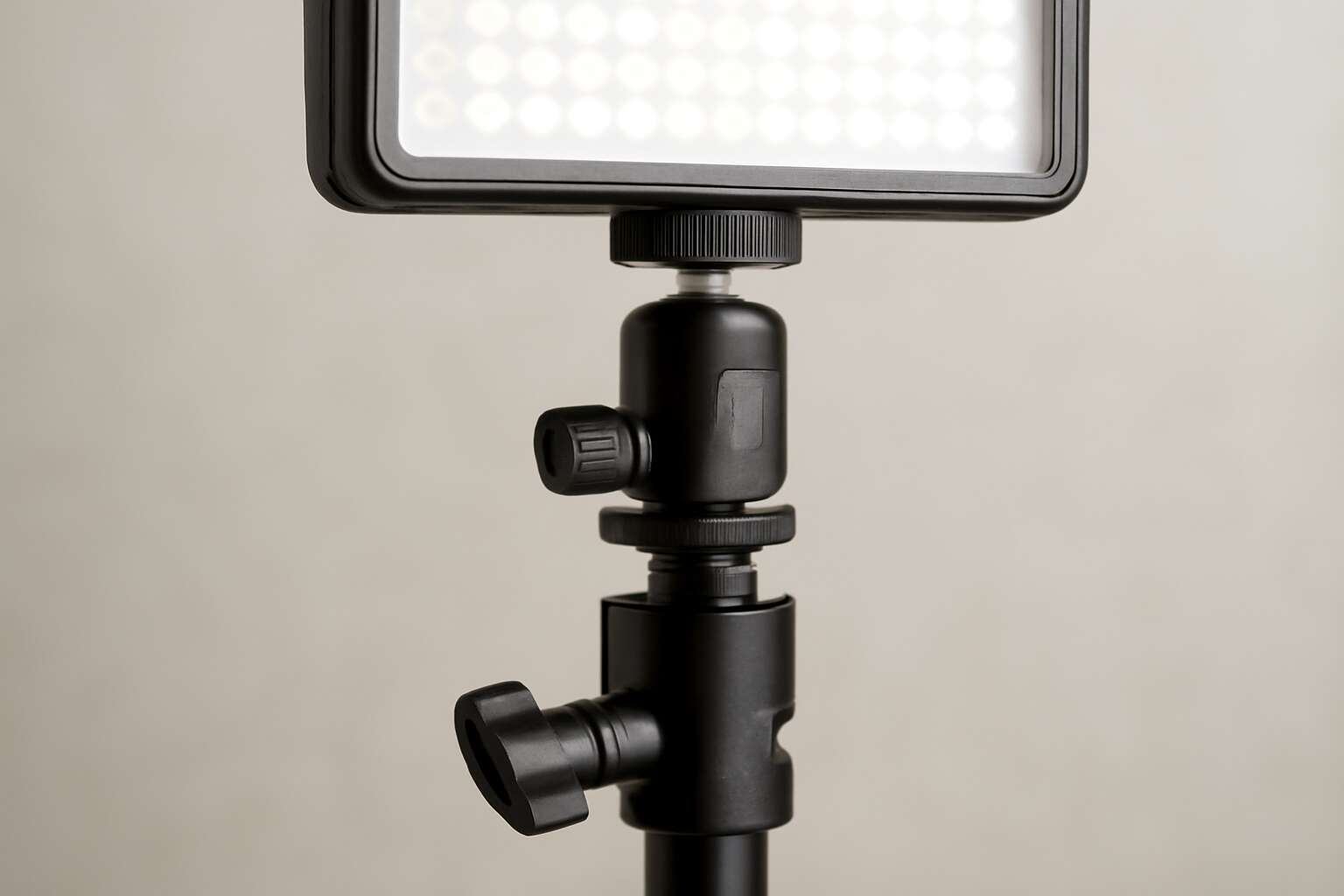
Adapter Fundamentals for Lighting on Location
Understanding the Basics
On location, light fights back and a shaky mount can steal the scene. A tight statistic reveals that 65% of on-location shoots stumble because gear can’t keep pace with the mood. The tripod to light stand adapter acts as a quiet hinge, letting a standard tripod or camera clamp meet a pro-grade light stand without compromising stability. Small, but it shifts the night into alignment.
- Thread compatibility: 1/4-20 or 3/8-16
- Load rating and clamp security
- Material matters: aircraft-grade aluminum vs. cheaper metals
Fundamentals to know: compatibility, weight rating, and build quality matter more than flair. Most common options keep the rig light, but strong, with a solid finish that resists the SA sun and sea spray on coastal shoots. In South Africa’s on-location scenes, reliability under wind and hustle is the decisive edge.
Compatibility and Mounting
In the wind-swept days of coastal shoots, the tripod to light stand adapter isn’t flashy, but it matters more than the flash. It links a standard tripod to a pro-grade light stand with quiet efficiency, letting the mood dictate the frame rather than the hardware wobble. Compatibility, load rating, and build quality become the unspoken language between lens and light, especially when dust and spray meet sun and sea. A sturdy hinge turns a tentative setup into a steady partner in a moment.
Consider these fundamentals when you balance weight and finish against coastal salt and wind.
- Thread compatibility: 1/4-20 or 3/8-16
- Load rating and clamp security
- Material matters: aircraft-grade aluminum vs cheaper metals
In South Africa, that quiet reliability keeps shoots moving from dawn to dusk.
Sizing and Materials
The Cape wind tests gear more than the mood does. A reliable tripod to light stand adapter doesn’t seek the spotlight, it anchors the scene so the mood dictates the frame. On coastal shoots, that quiet backbone keeps the crew moving.
Sizing and materials decide how far you can push a shot on location. Think thread sizes, load ratings, and clamp security before you even set the clamp on a post. The right build pairs with standard stands and shrugs off salt spray better than budget metal.
- Thread compatibility: 1/4-20 or 3/8-16
- Load rating and clamp security
- Materials: aircraft-grade aluminum vs cheaper metals
Here in South Africa, that quiet reliability keeps shoots moving from dawn to dusk. It’s the difference between a good frame and a missed moment.
Usage Scenarios and Setup Tips
On location, a wobble wastes light and time. In South Africa, 37% of on-site delays trace to unstable mounting—an avoidable bottleneck. The tripod to light stand adapter keeps the frame steady as the mood dictates the shot.
Adapter fundamentals come alive when you see the usage scenarios: a quick swap between fixtures, tidy cables, and resilience against salt spray. The tripod to light stand adapter makes transitions smooth, letting you adjust height and angle without hunting for new hardware.
- Plan the frame before you lock the clamp
- Double-check balance to resist breeze on coastal shoots
- Route cables to stay out of frame and avoid noise
From dawn to dusk, steady hardware translates to progress. Here in SA, quiet reliability keeps shoots moving and prevents missed moments—the tripod to light stand adapter becomes the quiet backbone of the set.
Buying Guide and Maintenance
On South Africa’s film and photography sets, 37% of on-site delays trace to unstable mounting, a bottleneck you can outpace with the right gear. A tripod to light stand adapter remains a quiet backbone as light moods shift.
When shopping for location fixtures, prioritize materials that resist salty air, robust thread standards, and a sensible weight-to-load ratio. This buys longevity and predictable performance under a range of coastal and city conditions.
- Materials and finishes for corrosion resistance
- Compatible threads: common sizes 1/4-20 and 3/8-16; tripod to light stand adapter compatible
- Load rating and balance to suit your fixtures
For maintenance, wipe away salt spray after shoots, keep clamps tight, grease threads sparingly, and store the adapter in a dry case. Regular checks ensure reliability through dawn, dusk, and every frame in between.


0 Comments